About the Exhibition
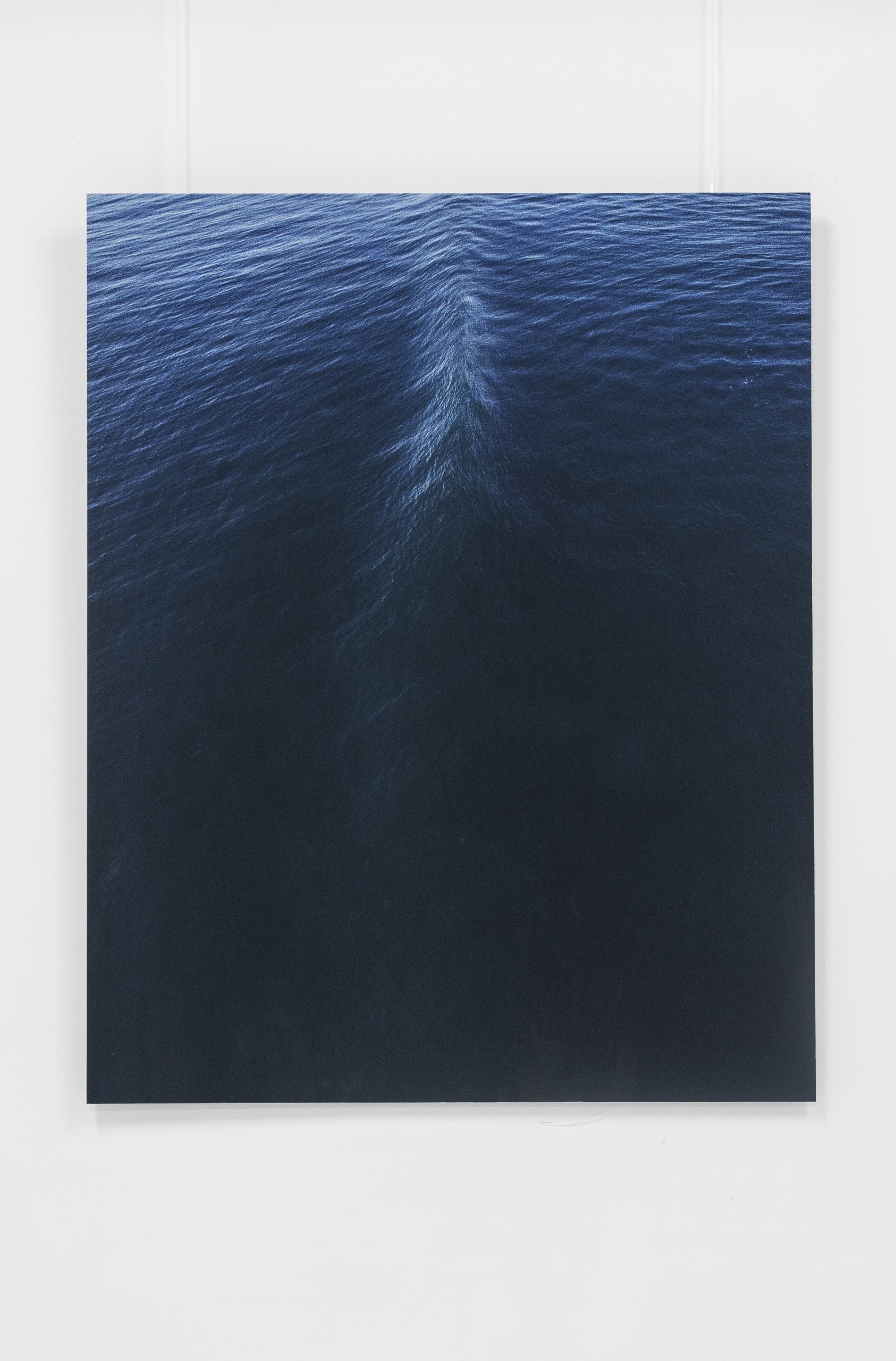
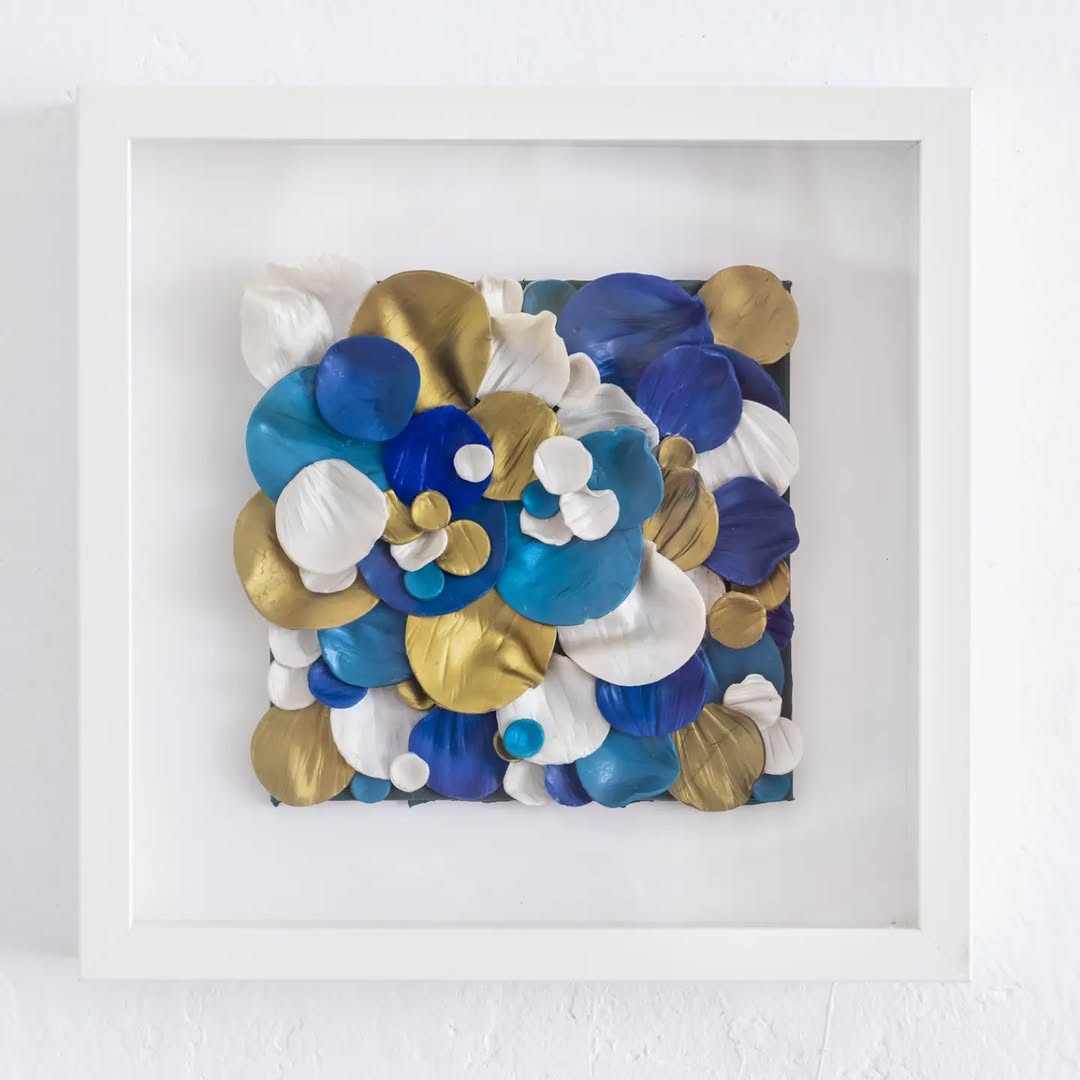
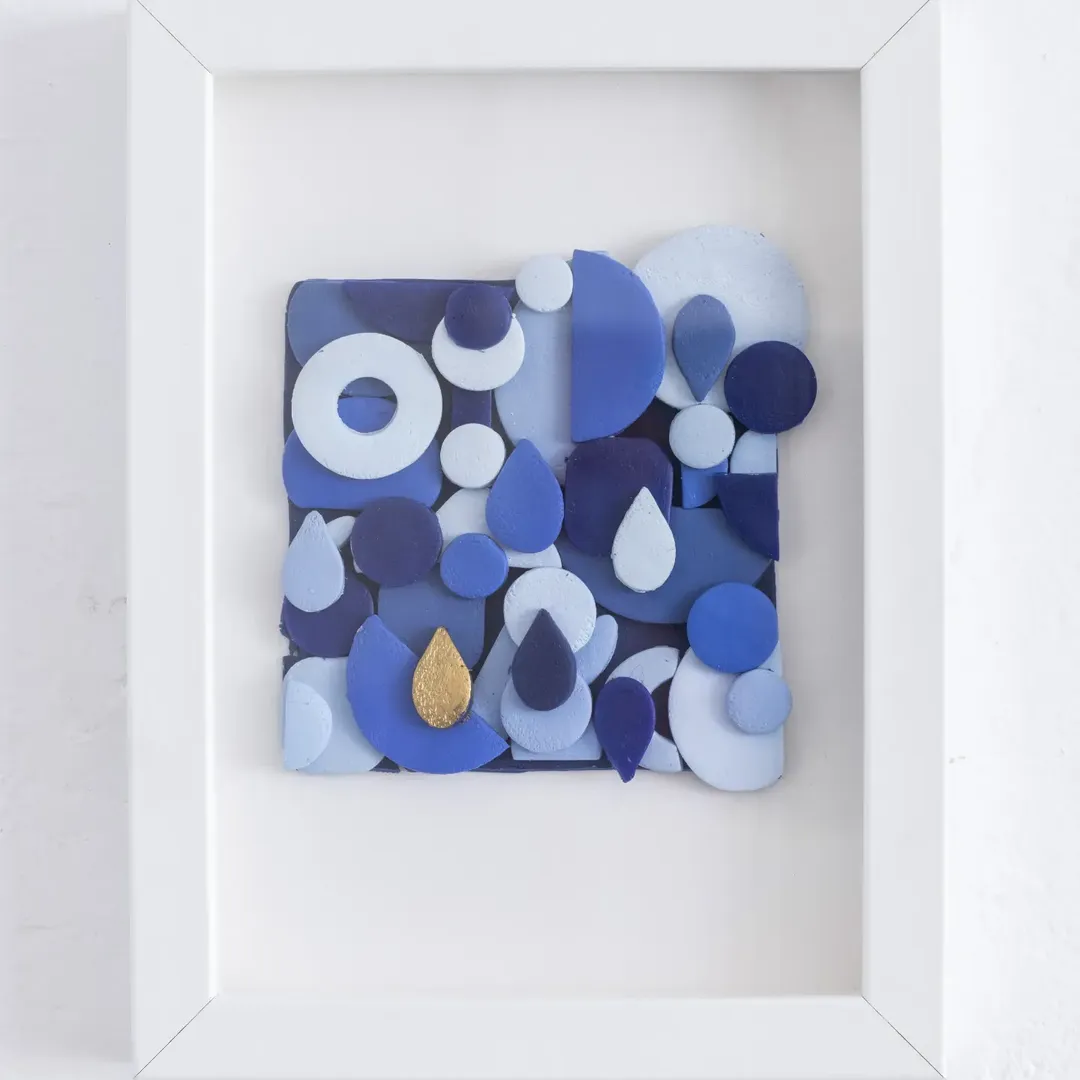
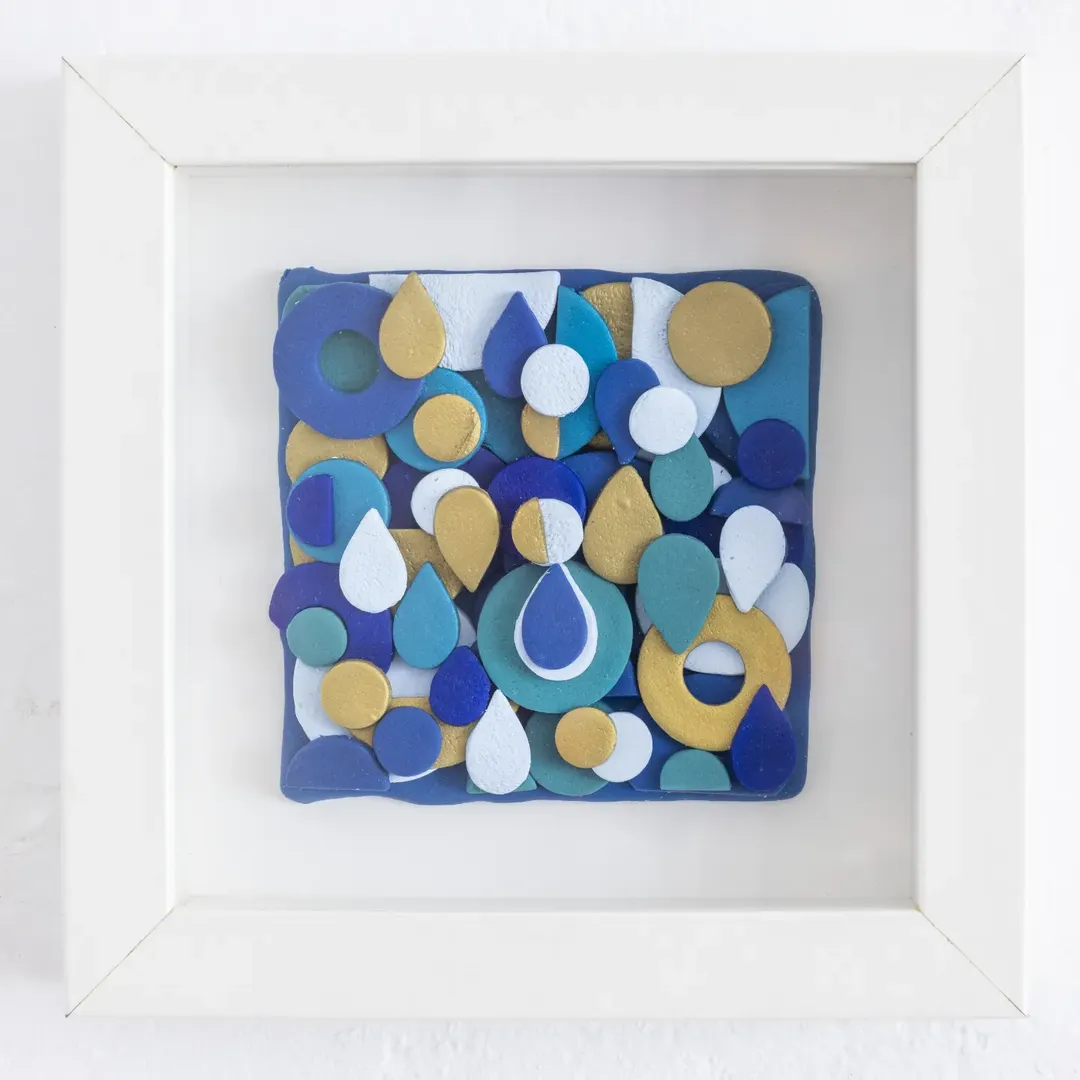
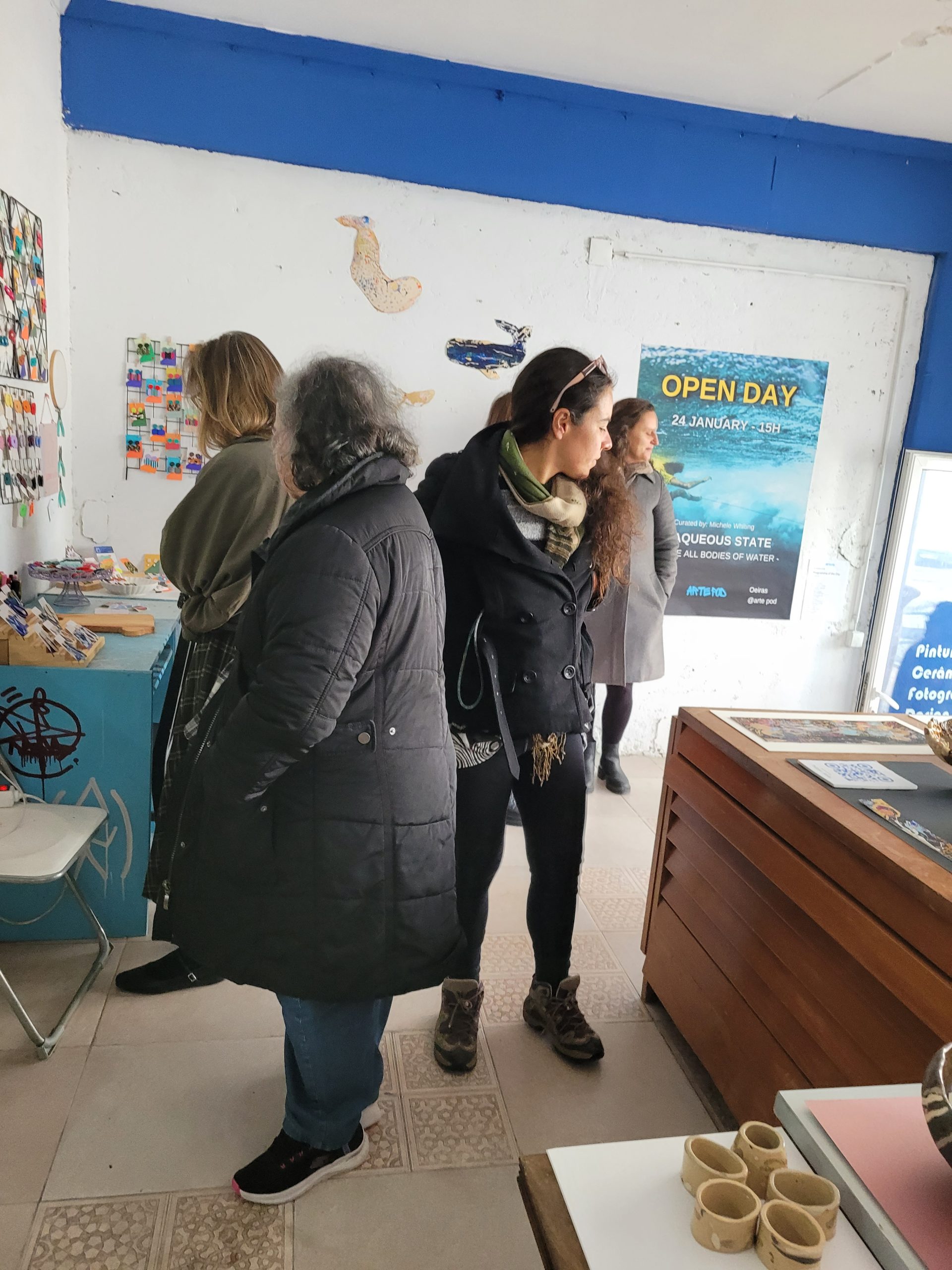
An Aqueous State – we are all bodies of water…
Water is between our bodies, is of our bodies, cycles through us and our home environments, it is both present and beyond us, visibly here and difficult to imagine at times, but we know it and its necessities. We give birth in it, play in it, bathe in it, it sanitises us, we surf and sail on it, play in and with it, and relish its presence in our lives. But water is also politics, social and contested, for instance one fifth of the worlds fresh water supply is stewarded under Canada which is bordered in part of course by the oceans and nearly two million lakes, on the other hand around 785 billion people around the world do not have access to fresh/clean water in or near their housing. 97% of the earths water is saltwater leaving only 3% fresh water, most of which is in ice, and so only 1% is left for humanities needs.
In America an average person used 378 litres a day, while many people in the Global South, and other places experiencing water strain, must sustain themselves on only 19 litres a day. Water in Accra, Ghana, costs three times more than in New York? So, water raises many questions about humanity and equalities. Satellites can now track fresh groundwater and surface water and so can and should help decision making about how to use water on a daily basis.
Since life began, the fresh water (the same amount) that is here on earth has been sustaining us, cycling through us; the same molecules that the ancients drank, washed with, cooked with, and swam in, we drink, cook with and swim in, so we are inextricably linked through water to all of the decisions taken before and now about it, we cannot cognitively separate ourselves any more from it either in terms of thinking about histories, or in terms of building futures with it. All of us are parts of larger bodies of waters, and at the same time ‘we are all bodies of water, in the constitutional, genealogical and the geographical sense’. Water gestates us, flows from us, binds us together and separates us.
Going all the way back to Leornardo Da Vinci he said “Water is the driving force of all nature” as a child he had witnessed major flood events that terrified him, and so he remained fascinated by water, in one part of this notebooks he listed a set of questions about rivers and currents that he intended to study and these came about through close observation, for example…
…where it is slow below and above and swift in the middle…
Where the water in the rivers stretches itself out and where it contracts…
Where it bends and where it straightens itself…
He scrutinised water and its effects, he realised that unlike air, water cannot be compressed, he was fascinated about why bubbles rose in non-linear ways. He used drawing as a method of not just capturing but thinking through the problematics of water, of imagining change and deciphering ways forwards, most of which would not be used or recognised, until much later.
But when he observed he saw things in minute detail, and these obsessive observations of water, seen in his hundreds of drawings and notes, led him to ask so many questions some of which have only been answered in recent times, and this work also led to our understanding of modern hydrology’s and fluid dynamics. He saw water beyond the aesthetic value, for what it was, the actuality of water if you like, and he also saw it for its needy complicity with humanity.
So, when we think about water’s very nature, we embrace all of its complex, unwieldy, beautiful, emotional and historical ways, we affirm its vital importance to us, historically, creatively, for health and survival; but we can also feel hopelessly lost in its salvation.
For many of us water catastrophes are remote from our day to day, but real considerations of working to prevent such tragedies small or large are quickly becoming a reality, and more than an extension to the ethics of everyday life, but are they really becoming part and parcel of our moral imagination involving emotions and intellect, if the weight of dilemma isn’t affecting us in the present, do we have the impetus or urgency to conserve and build for the future?
Virginia Wolfe wrote ‘there are tides in the body’.
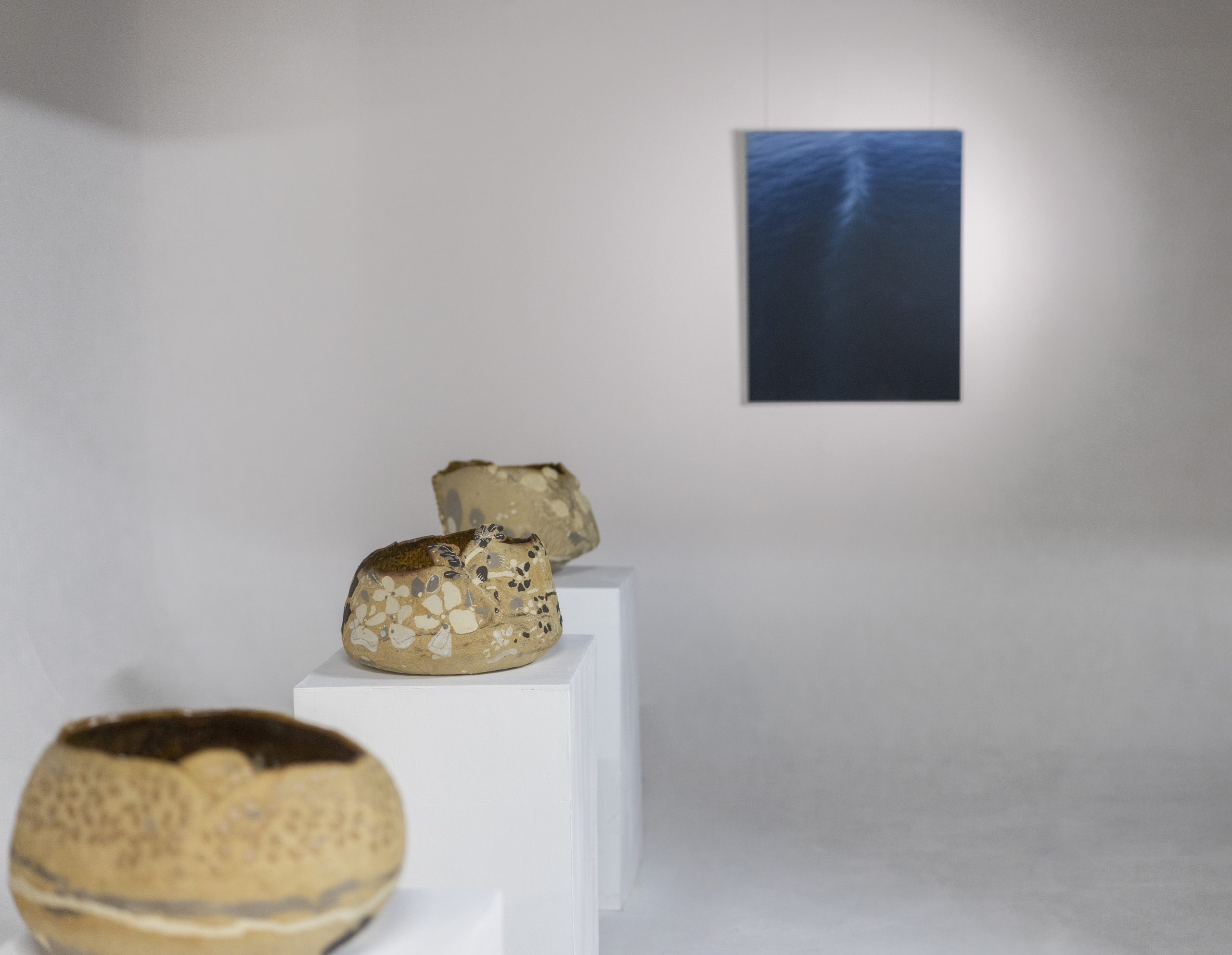
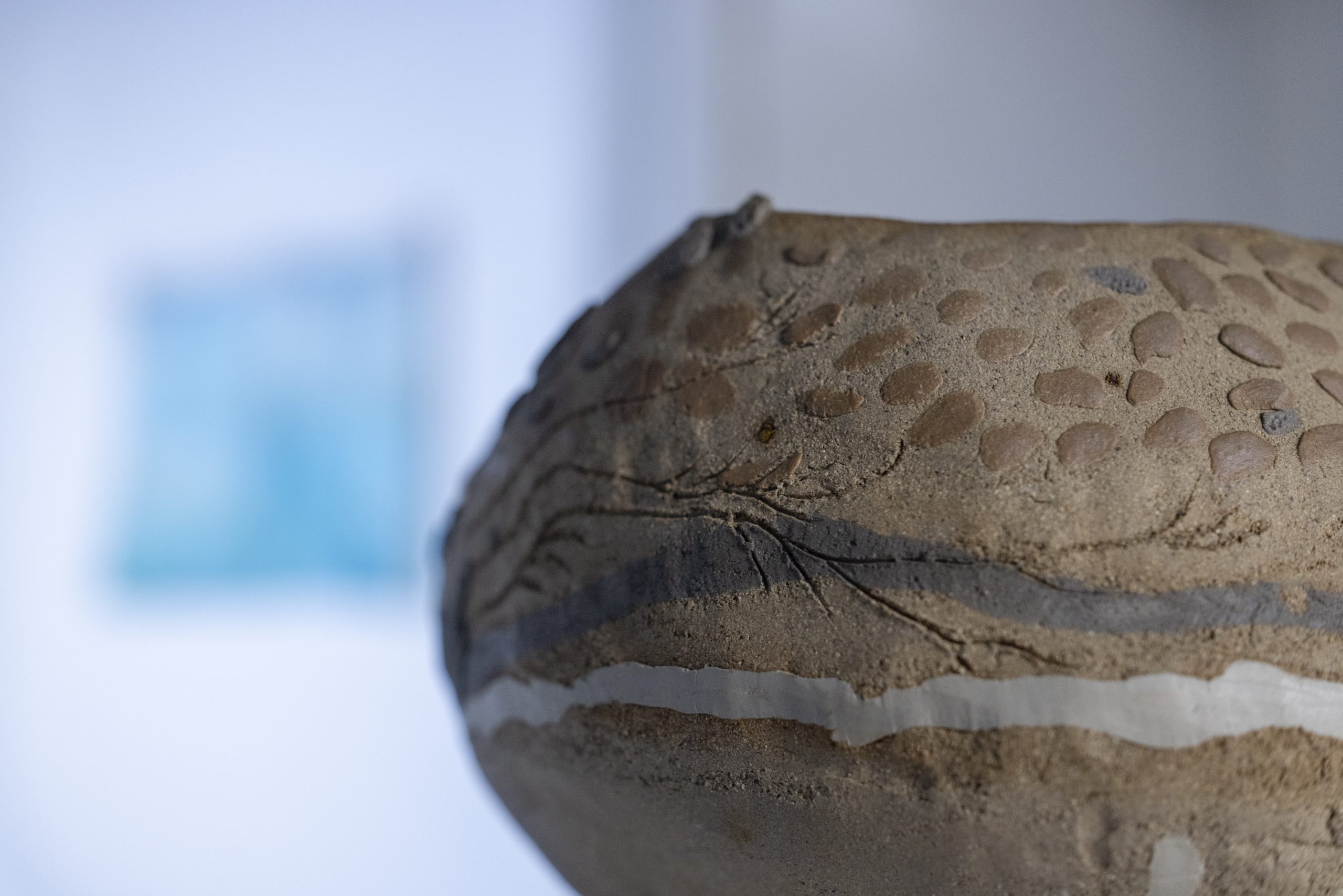
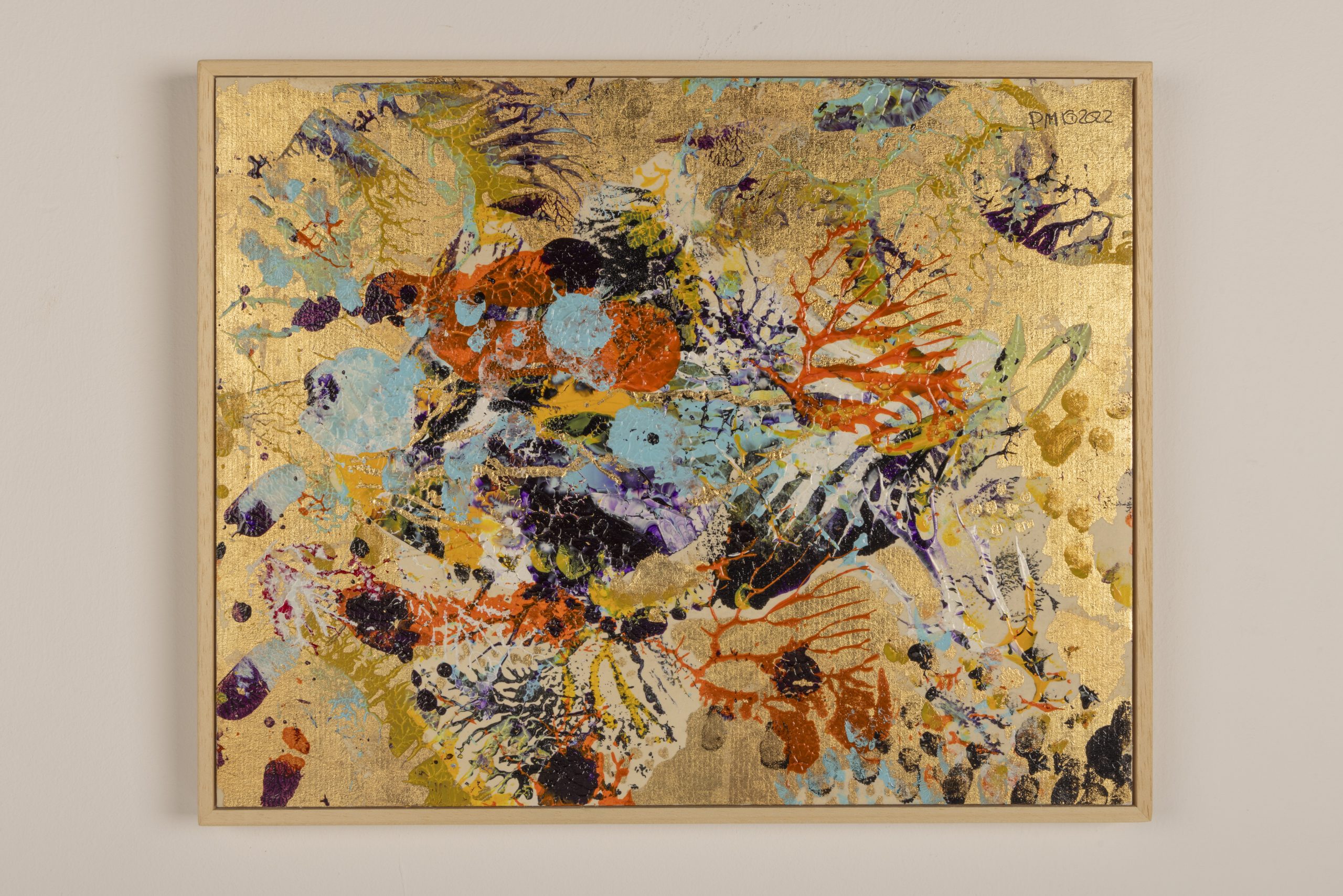
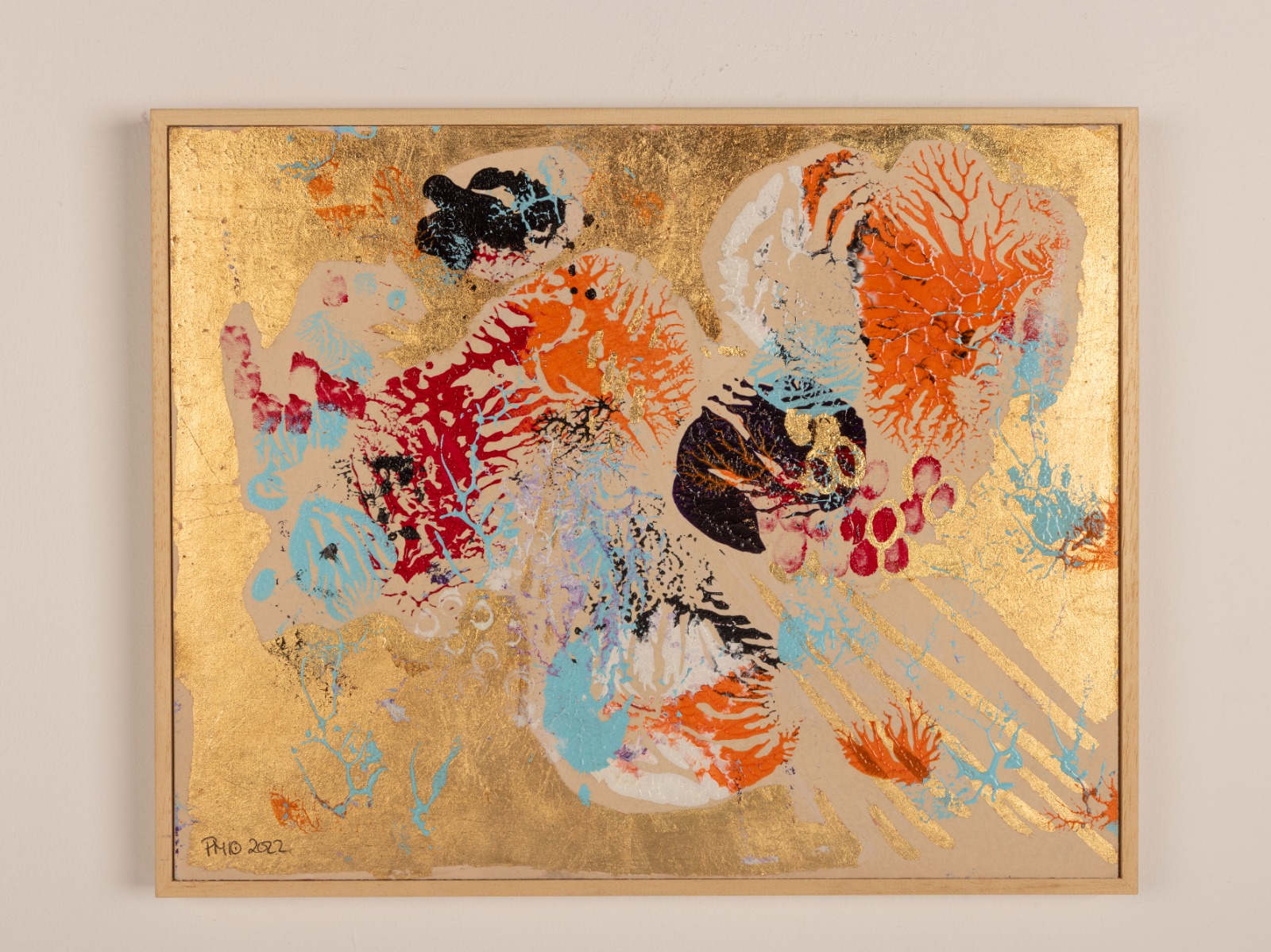
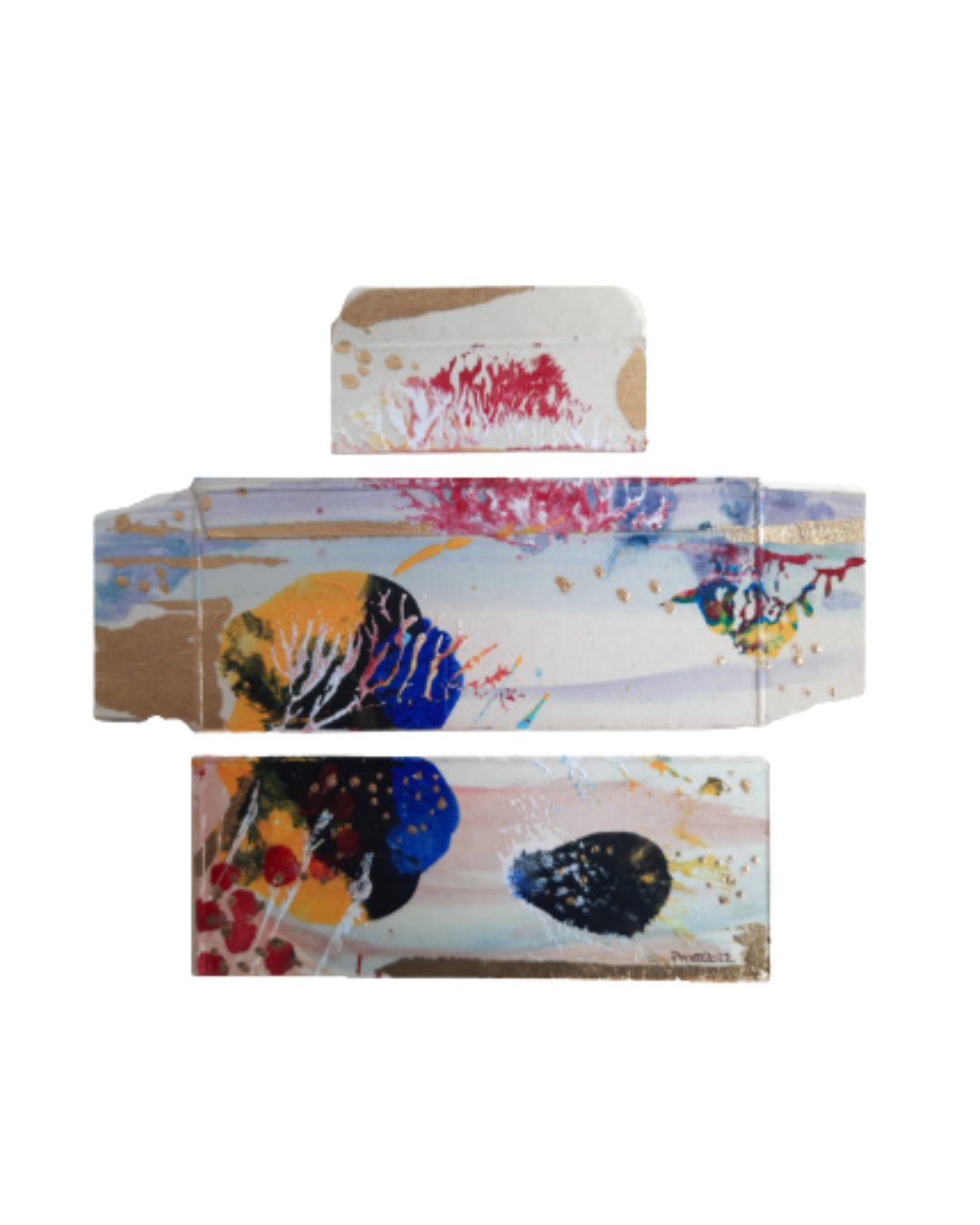
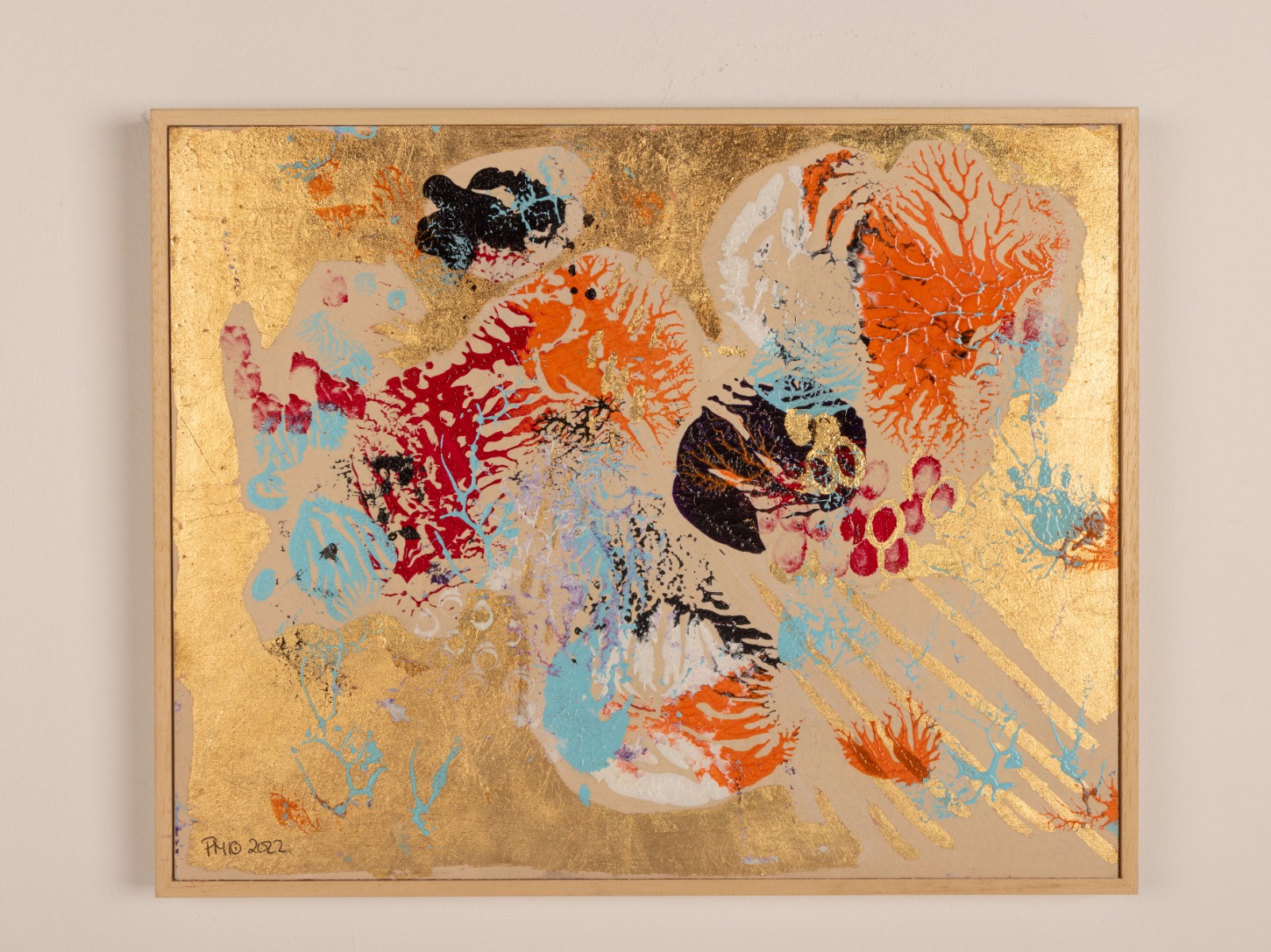
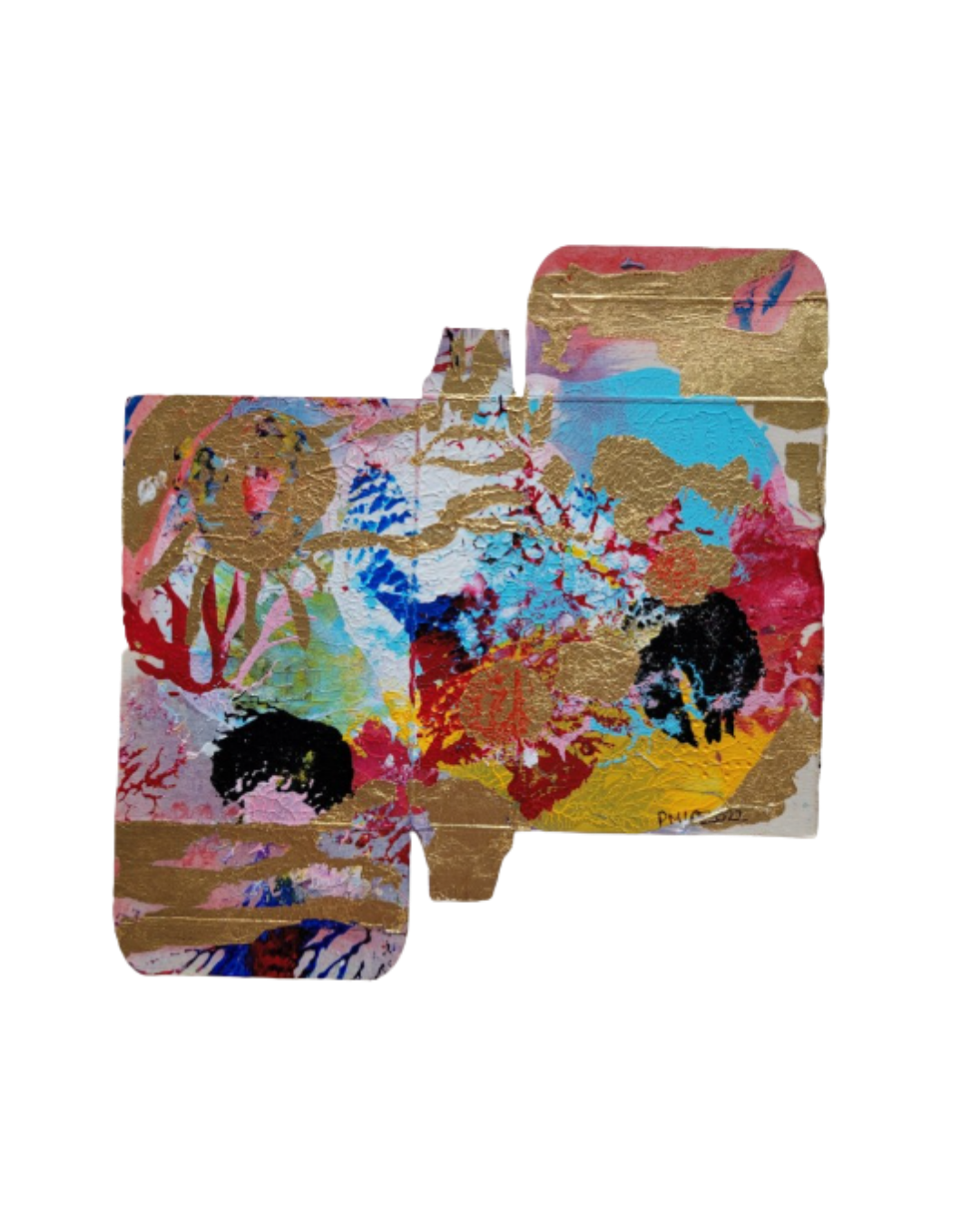
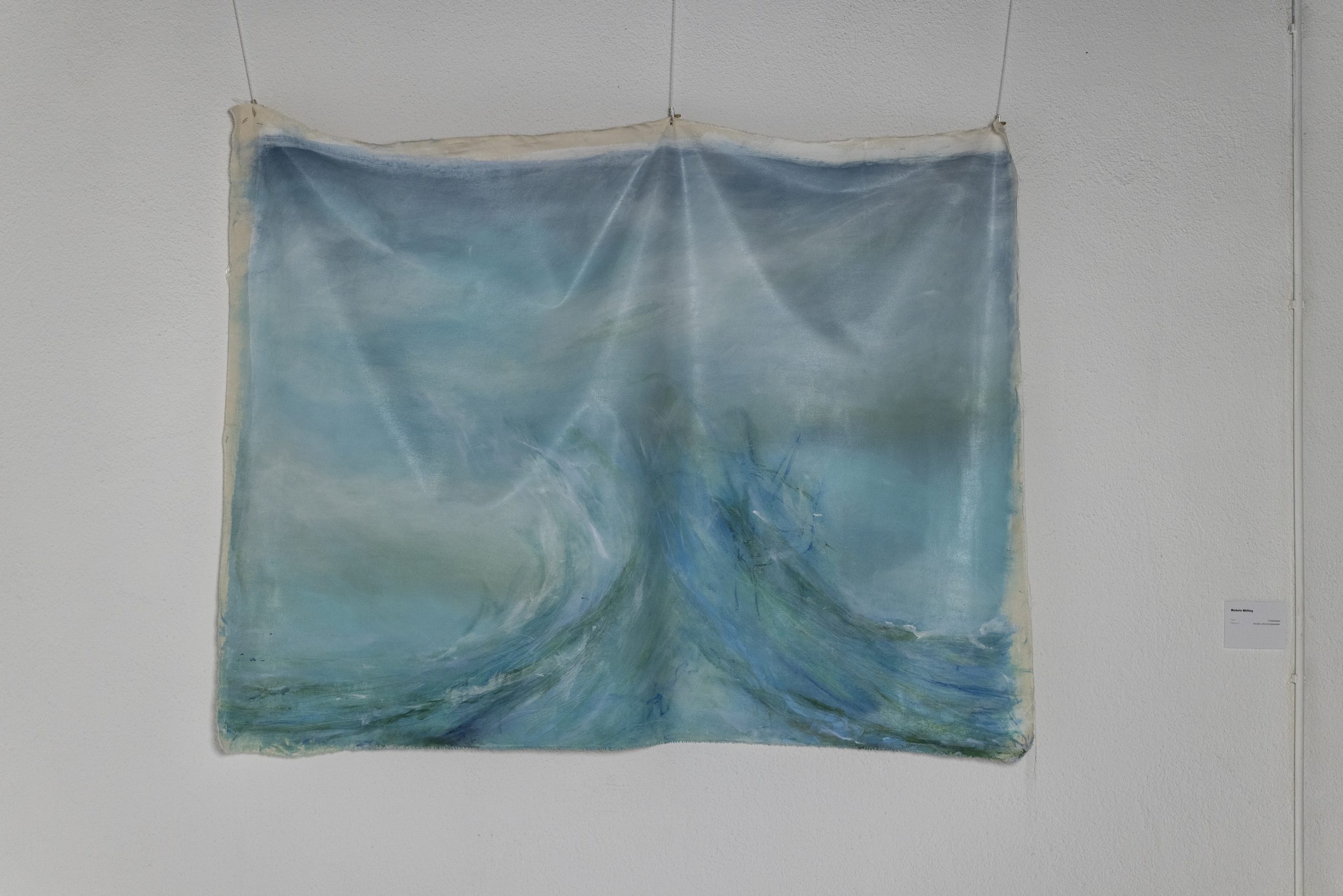
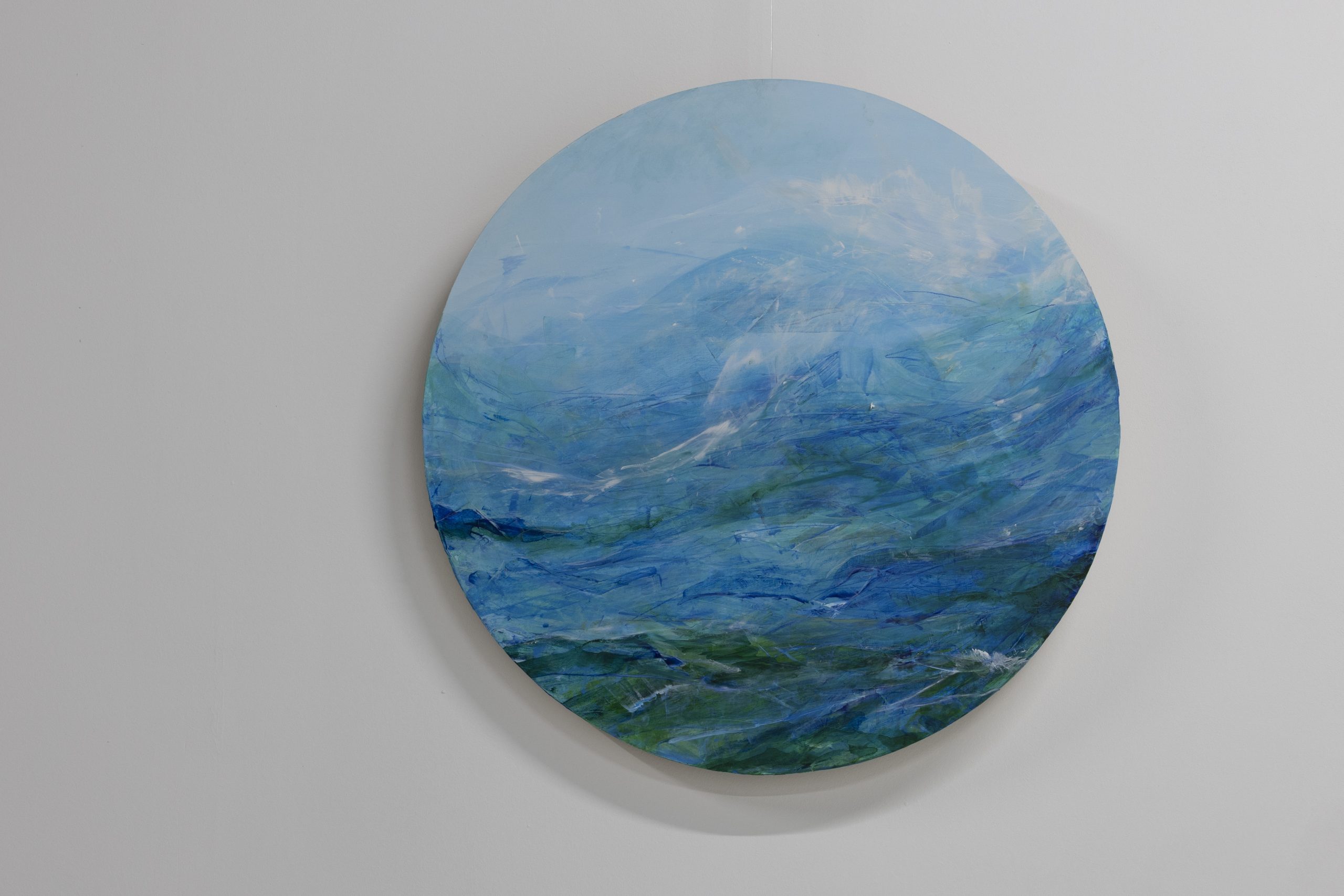
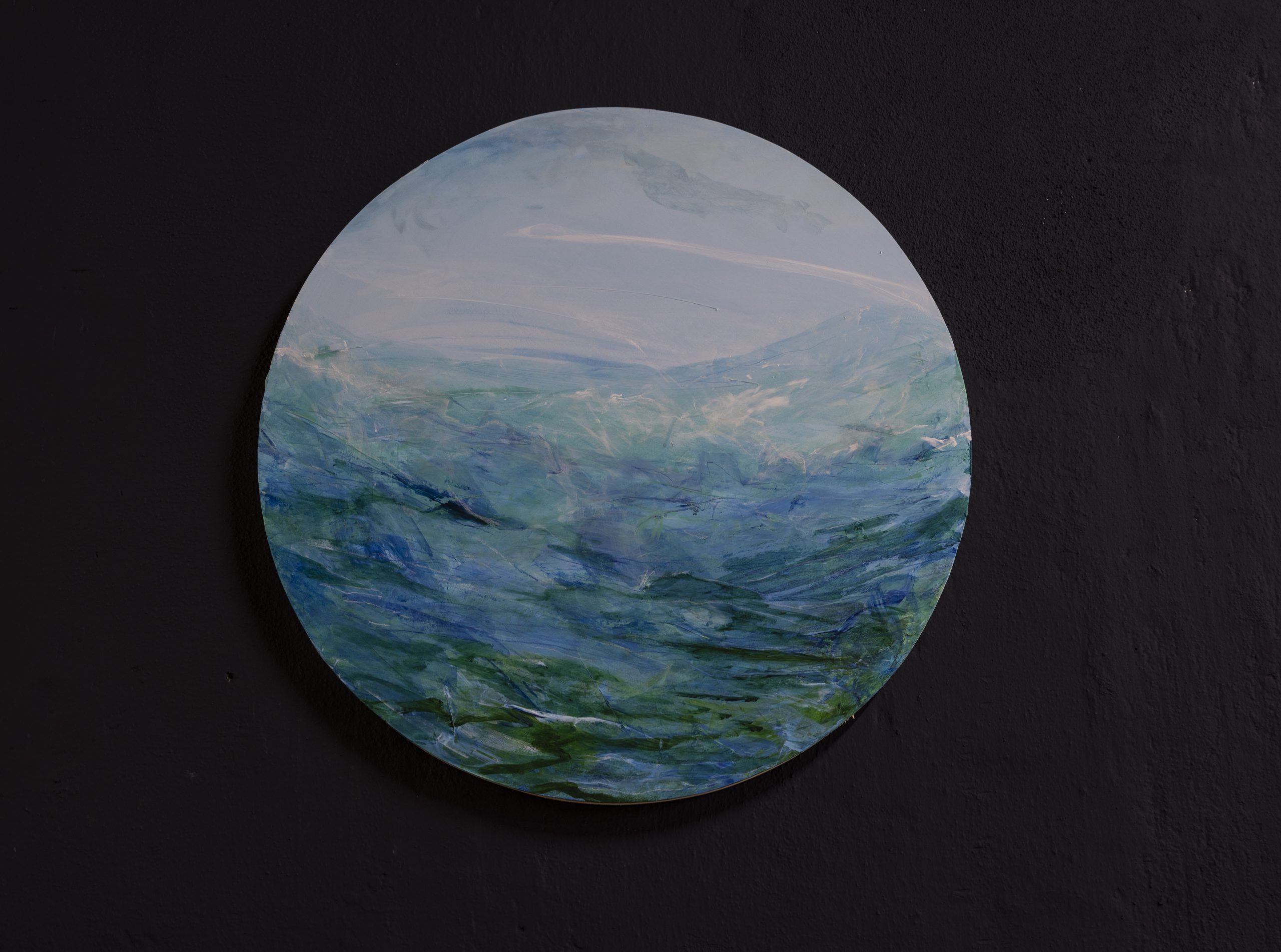
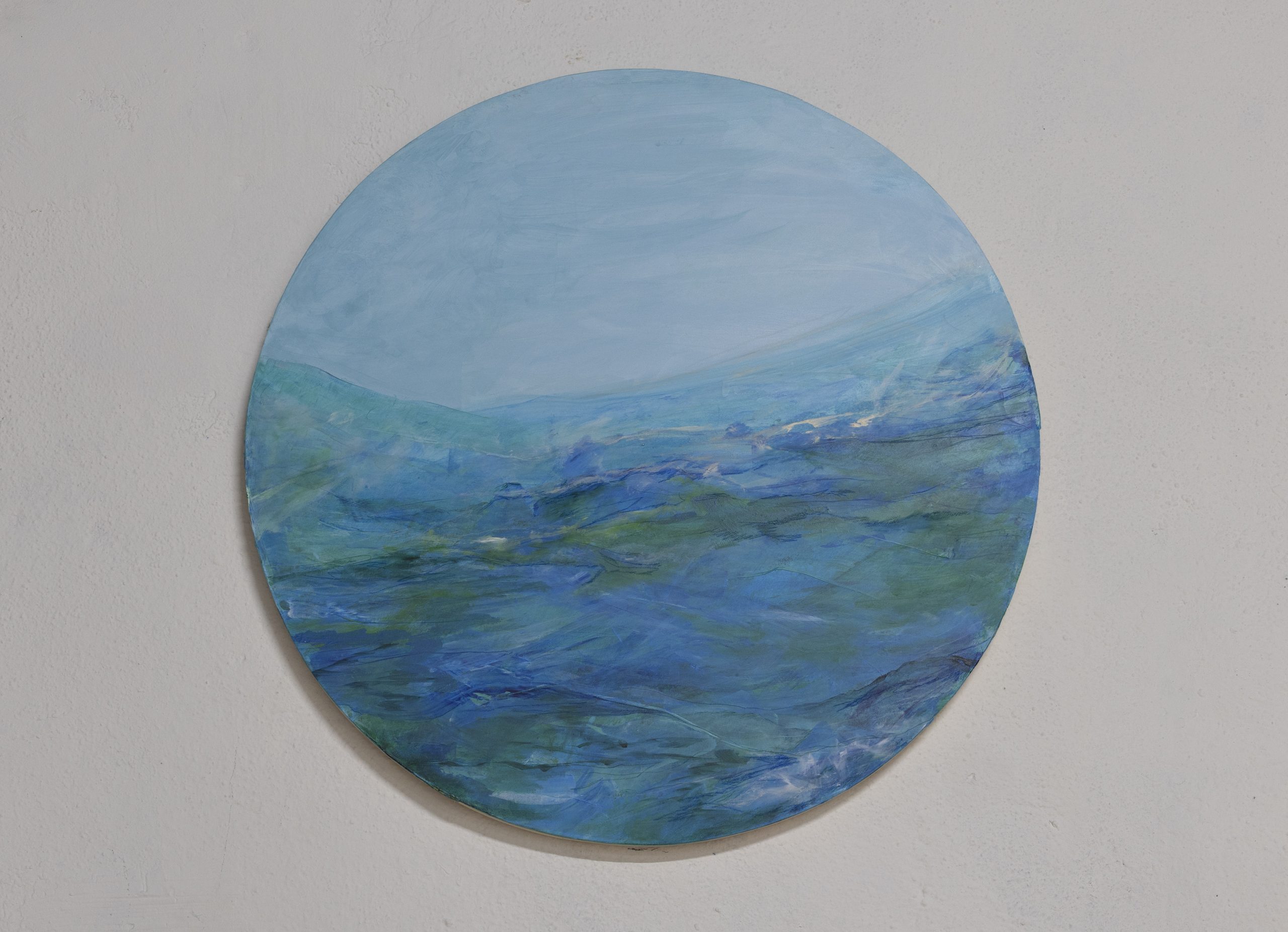
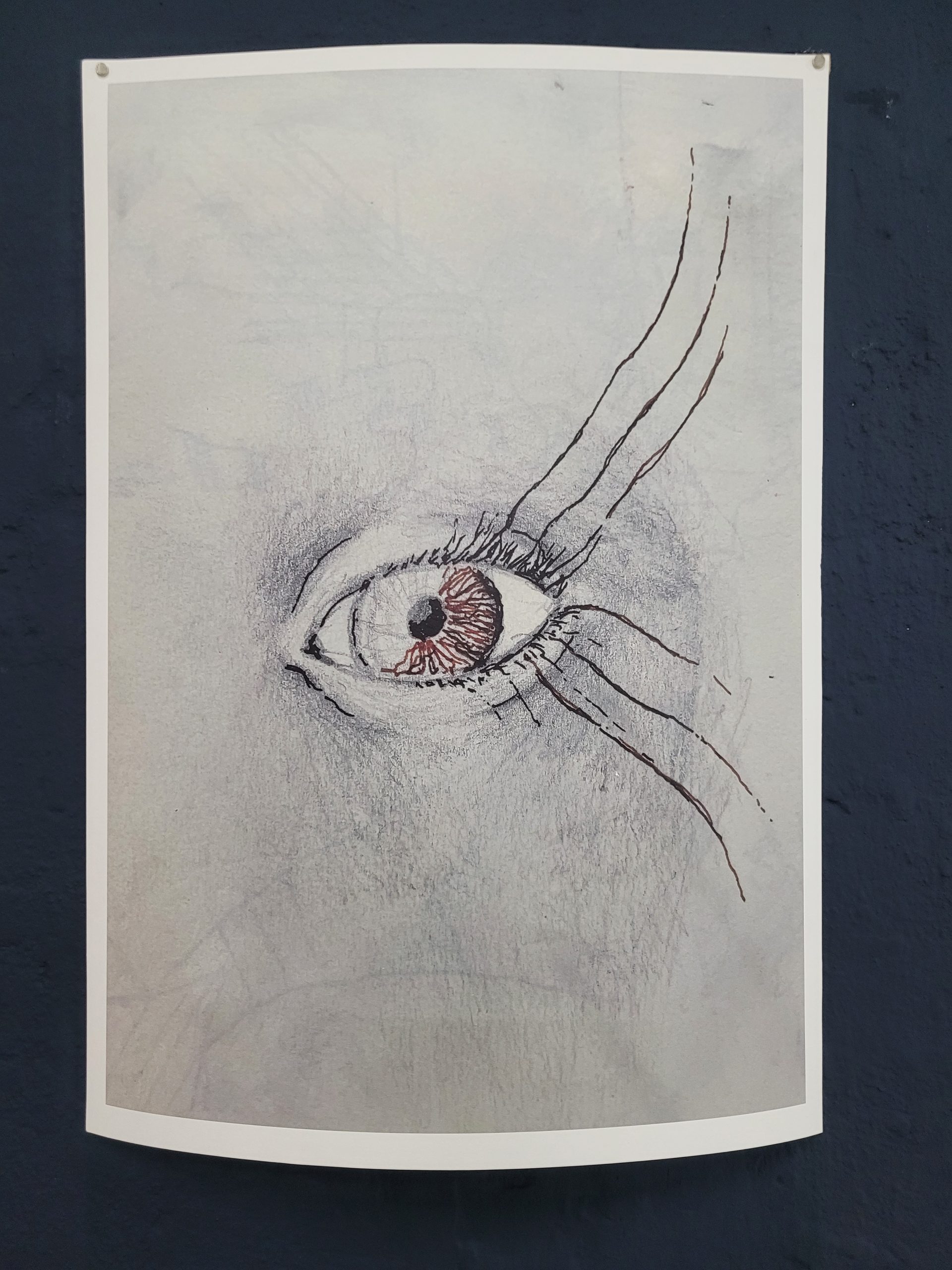
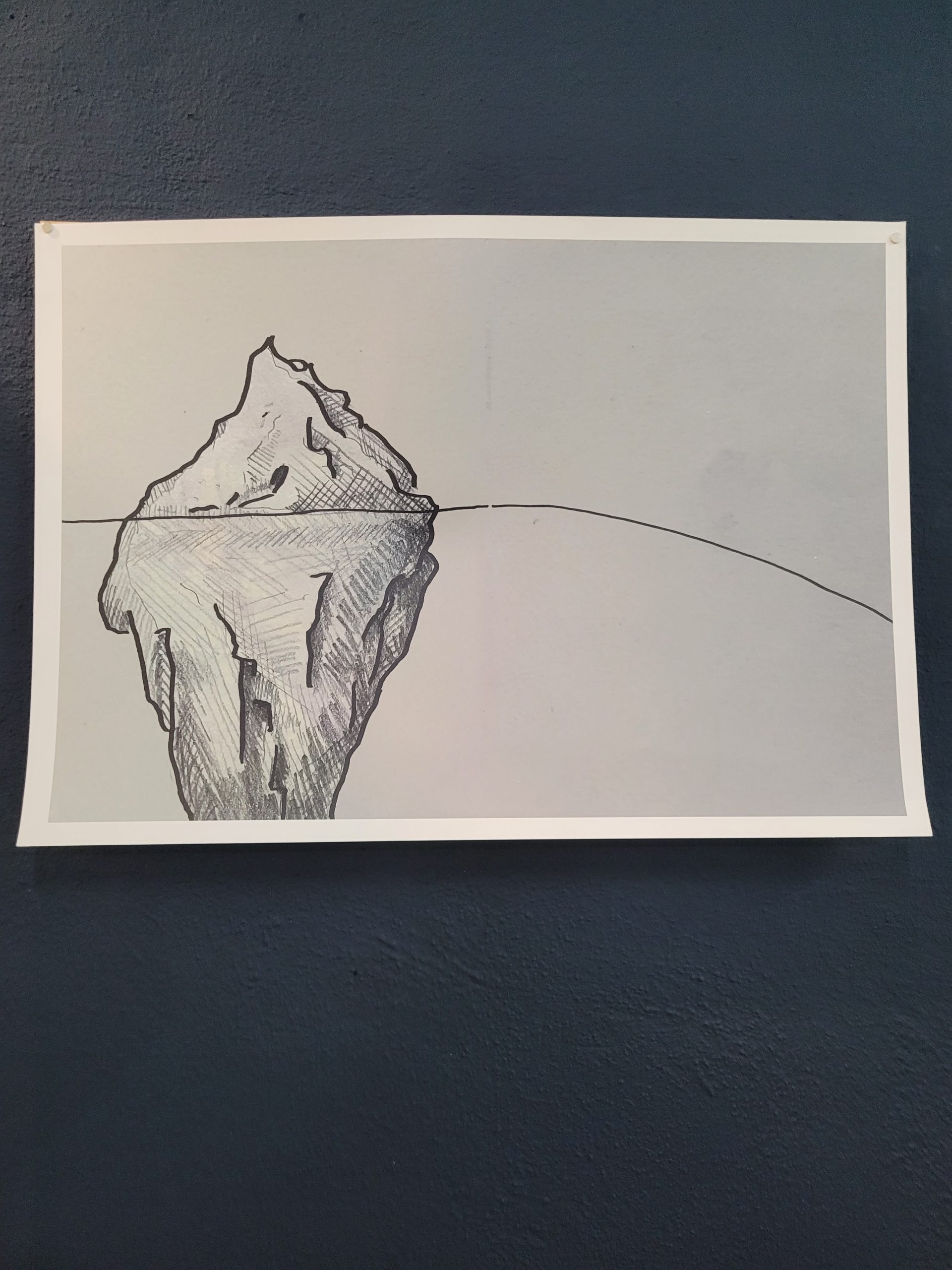
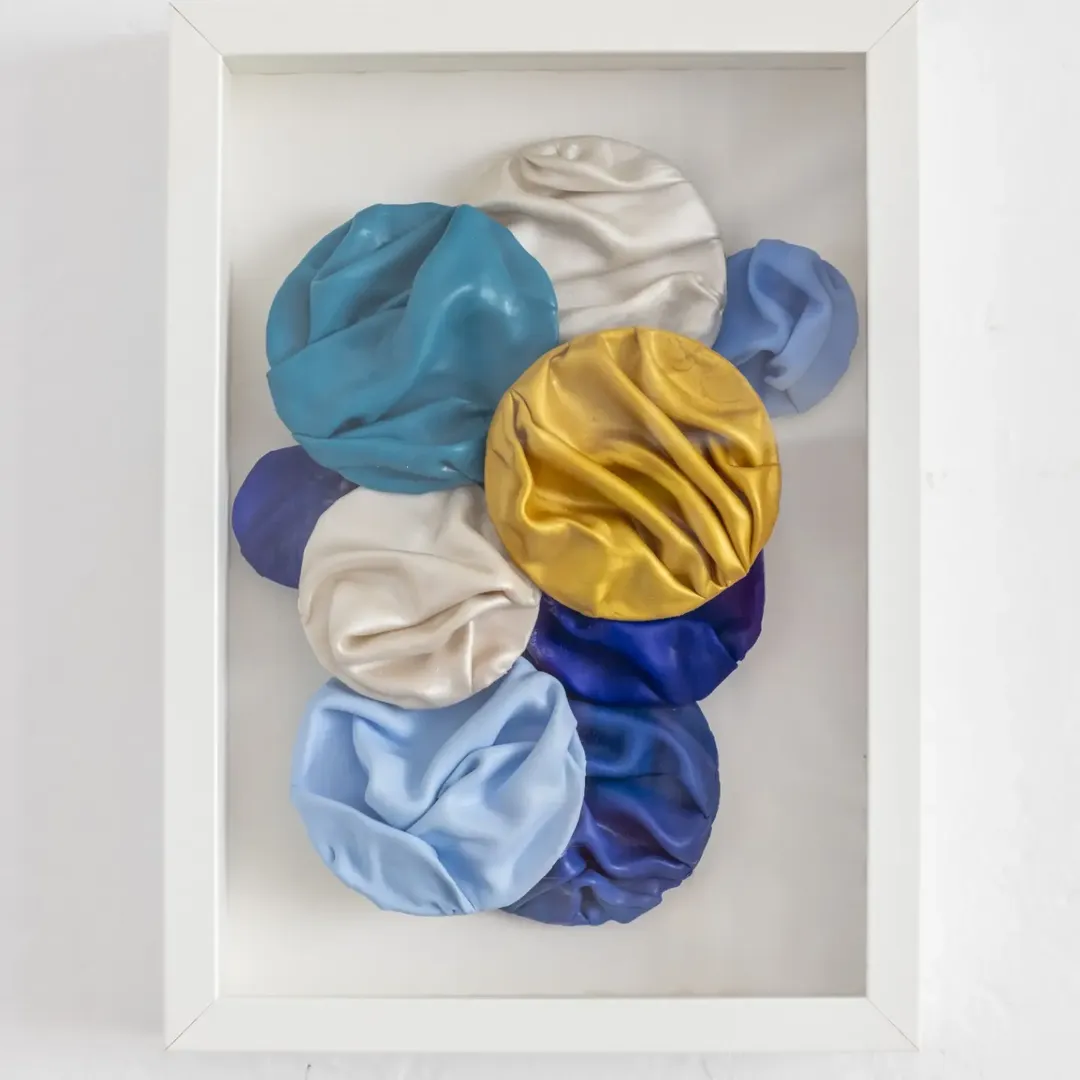
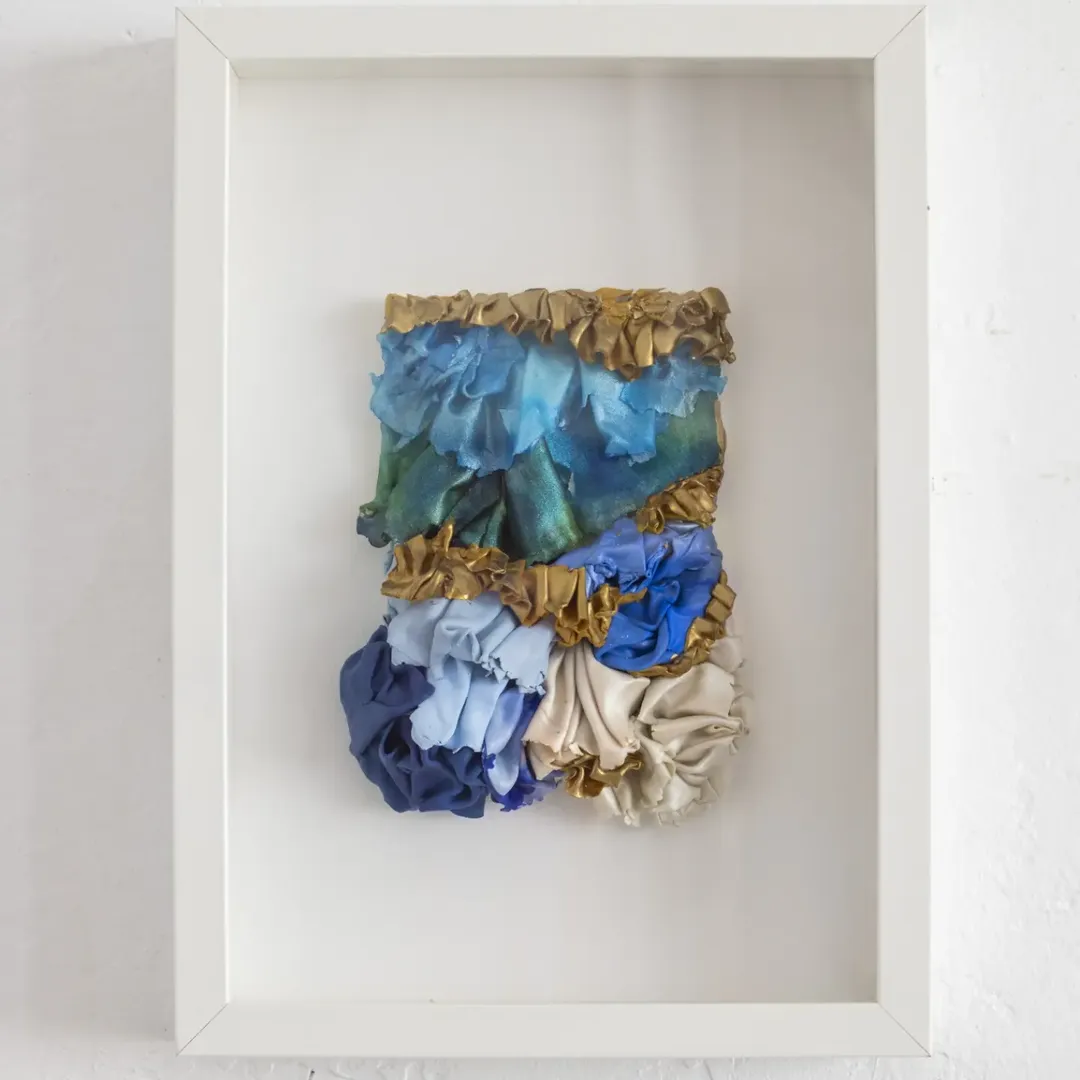
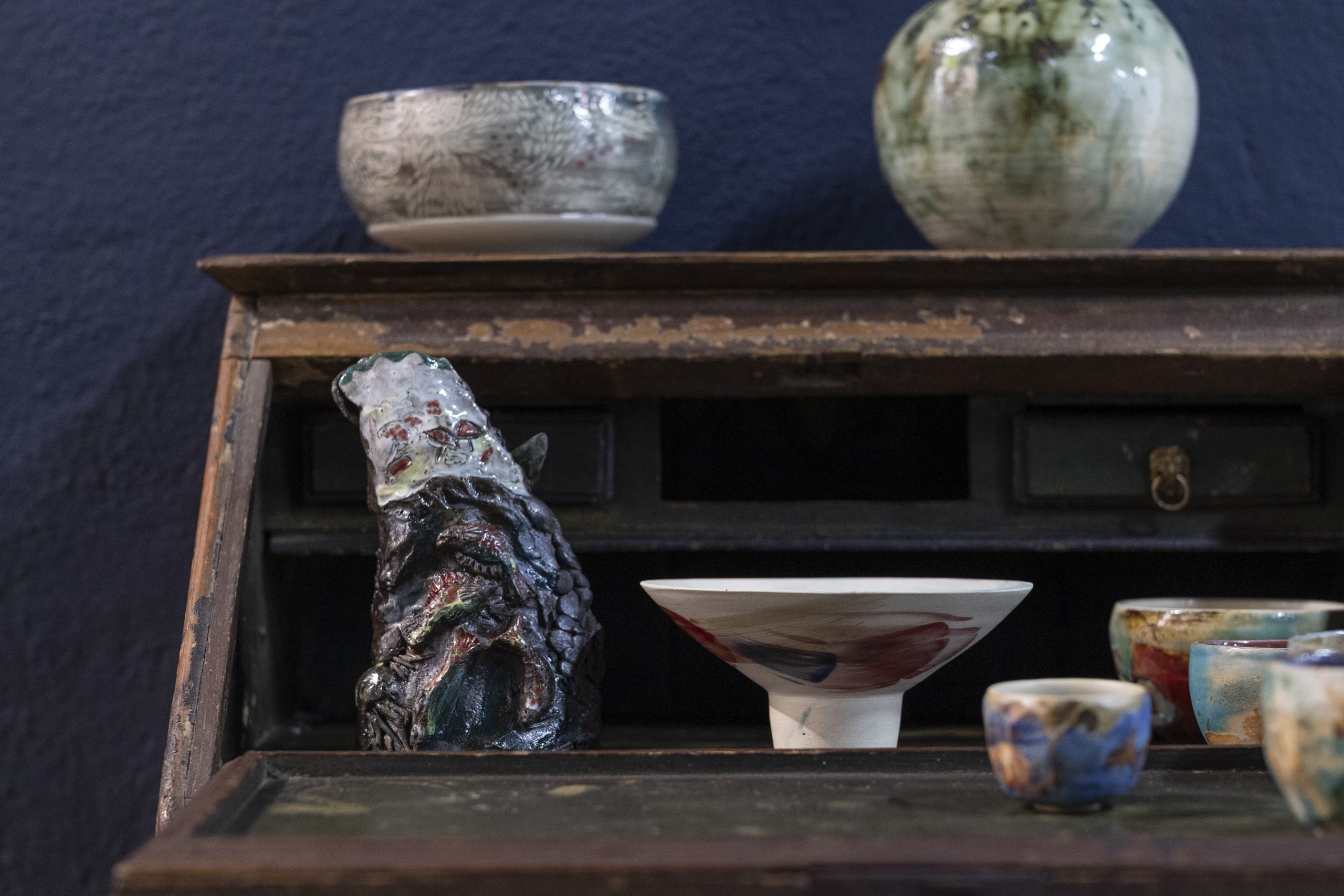
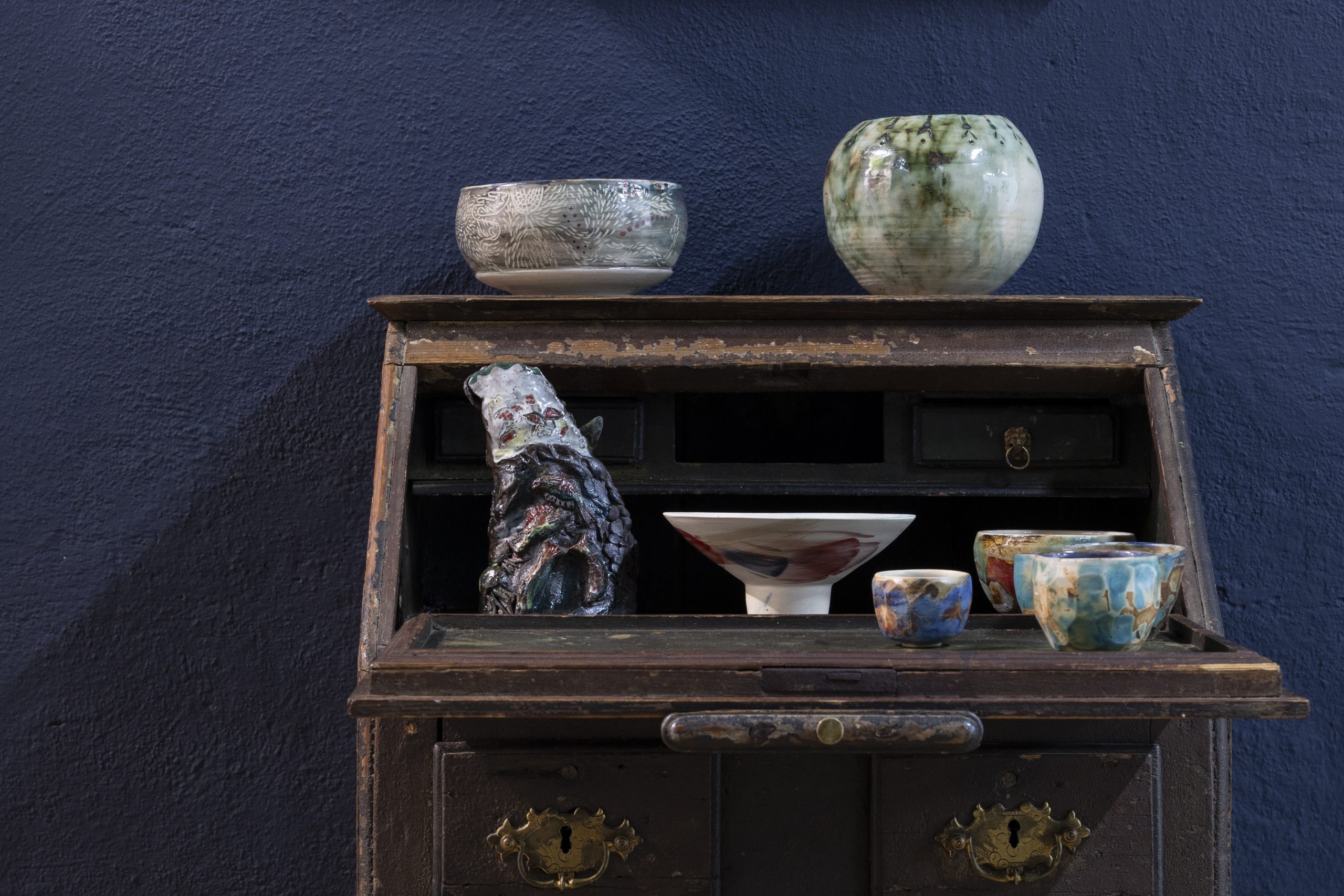
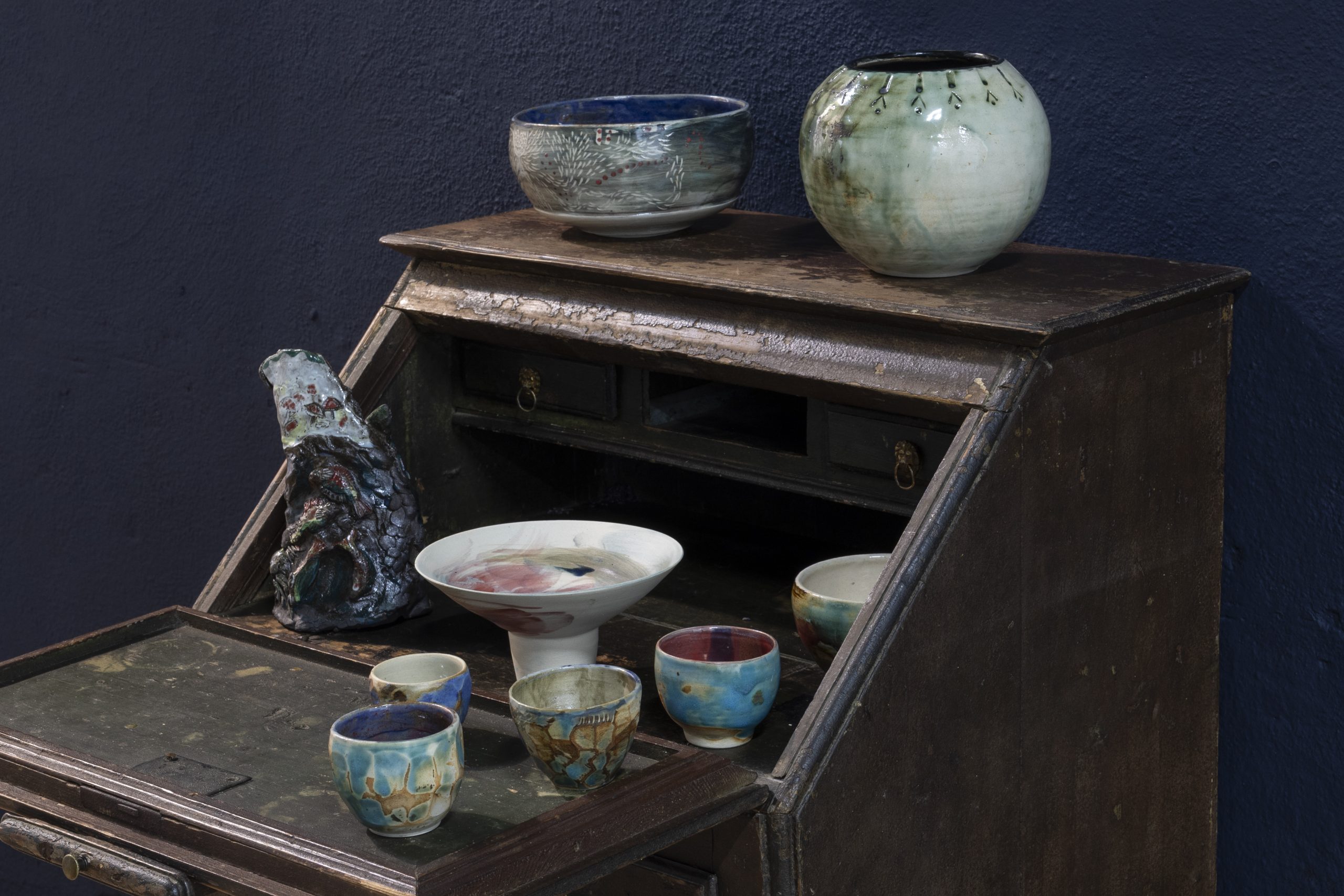
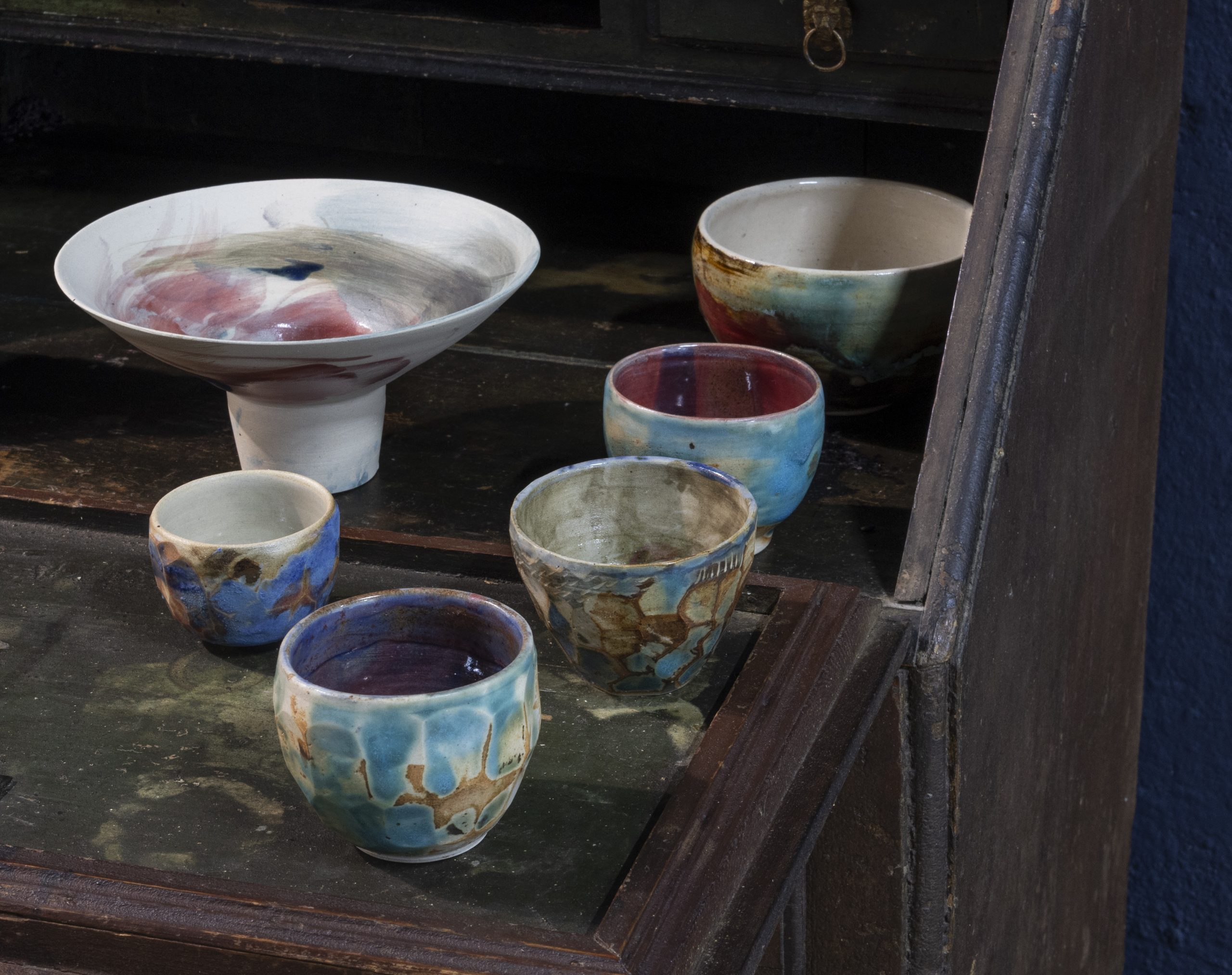
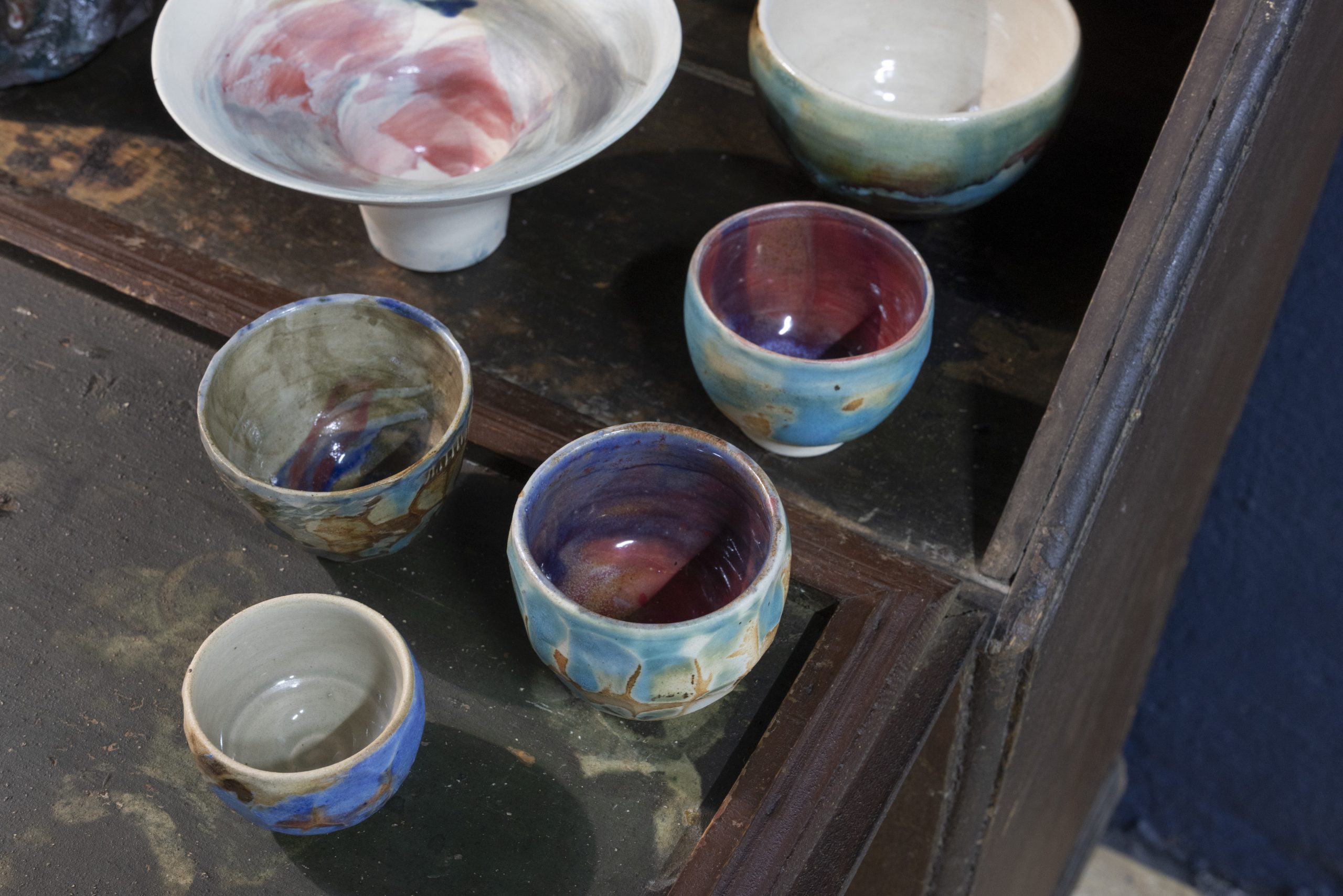
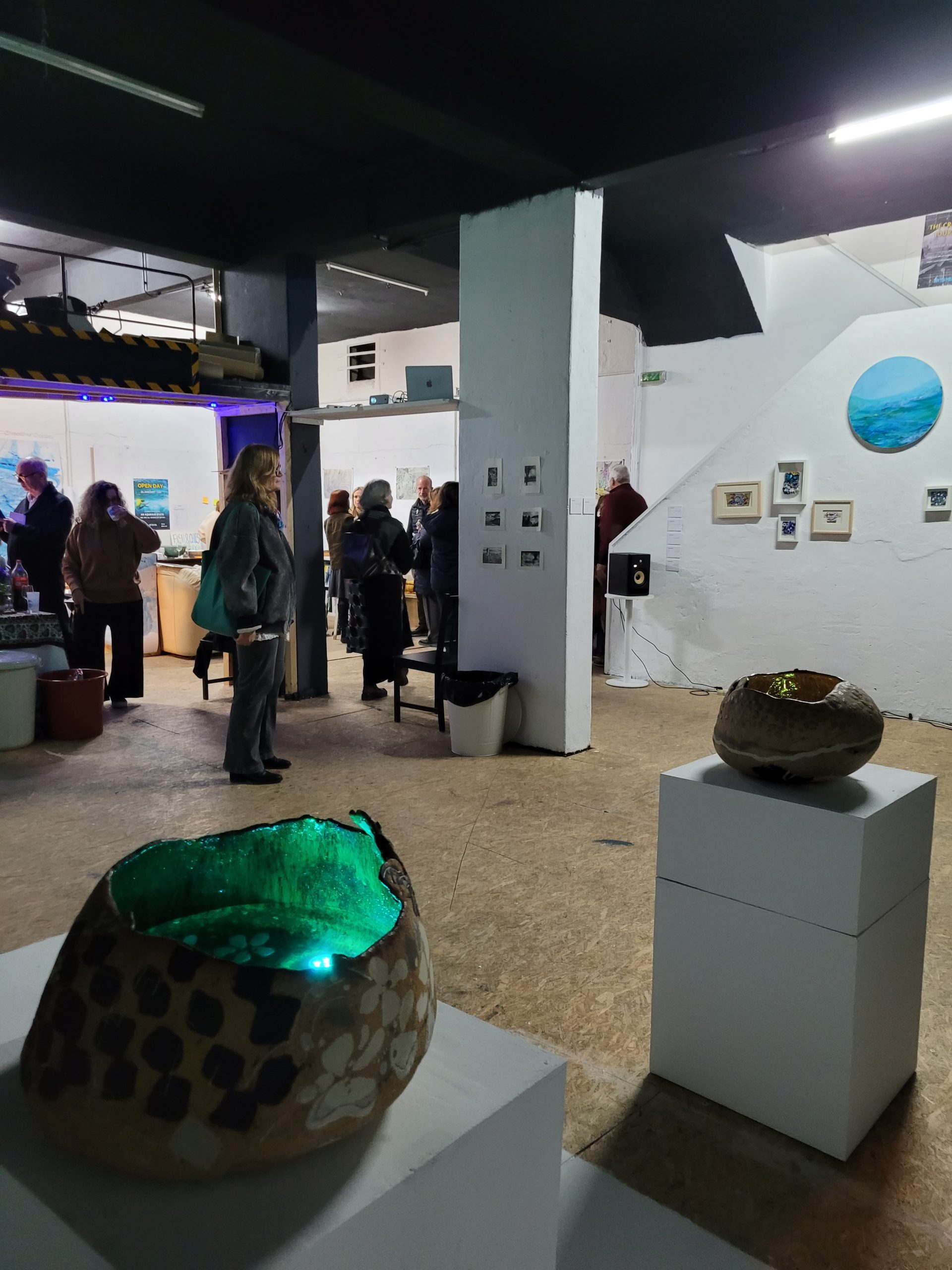
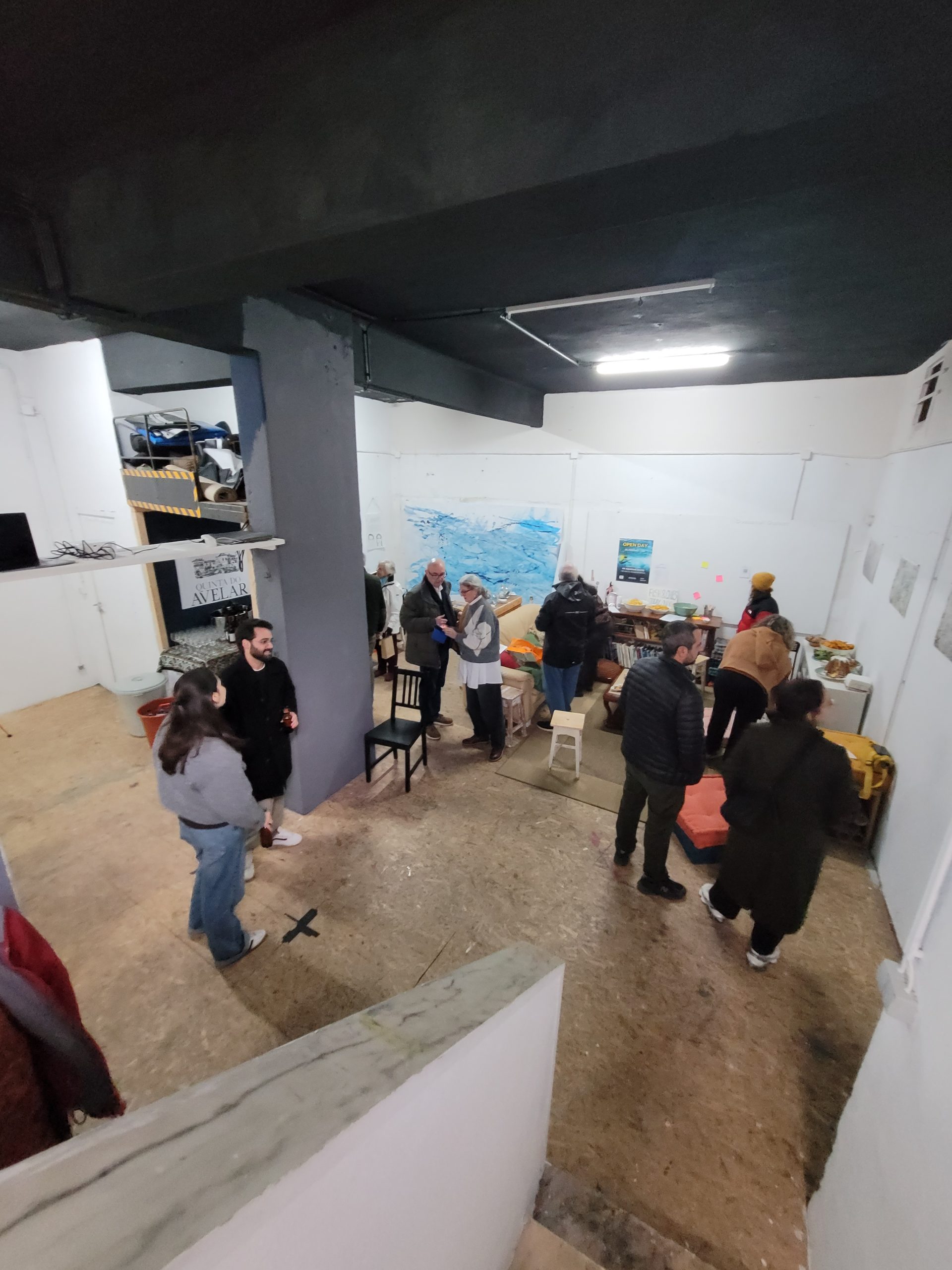
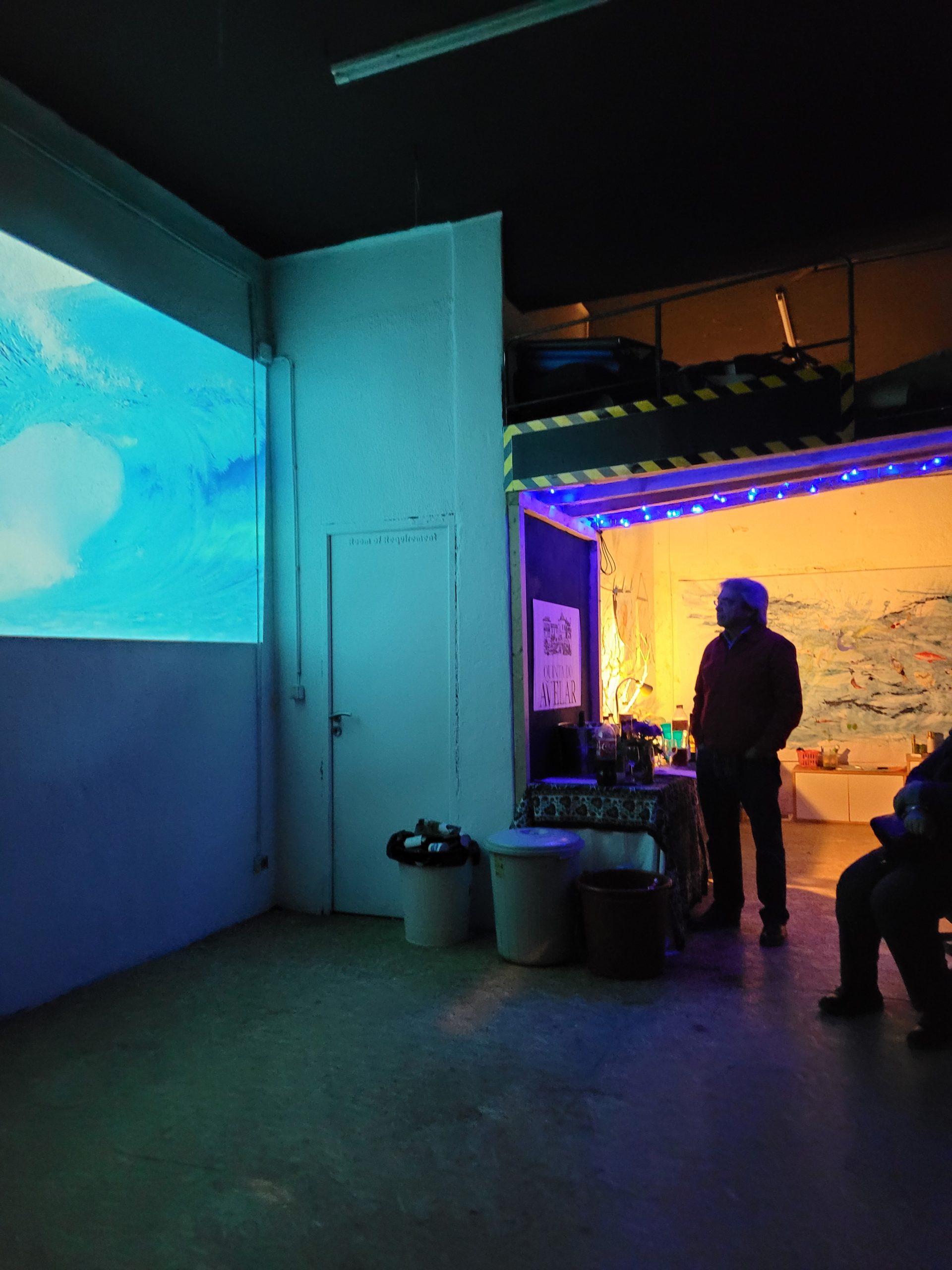
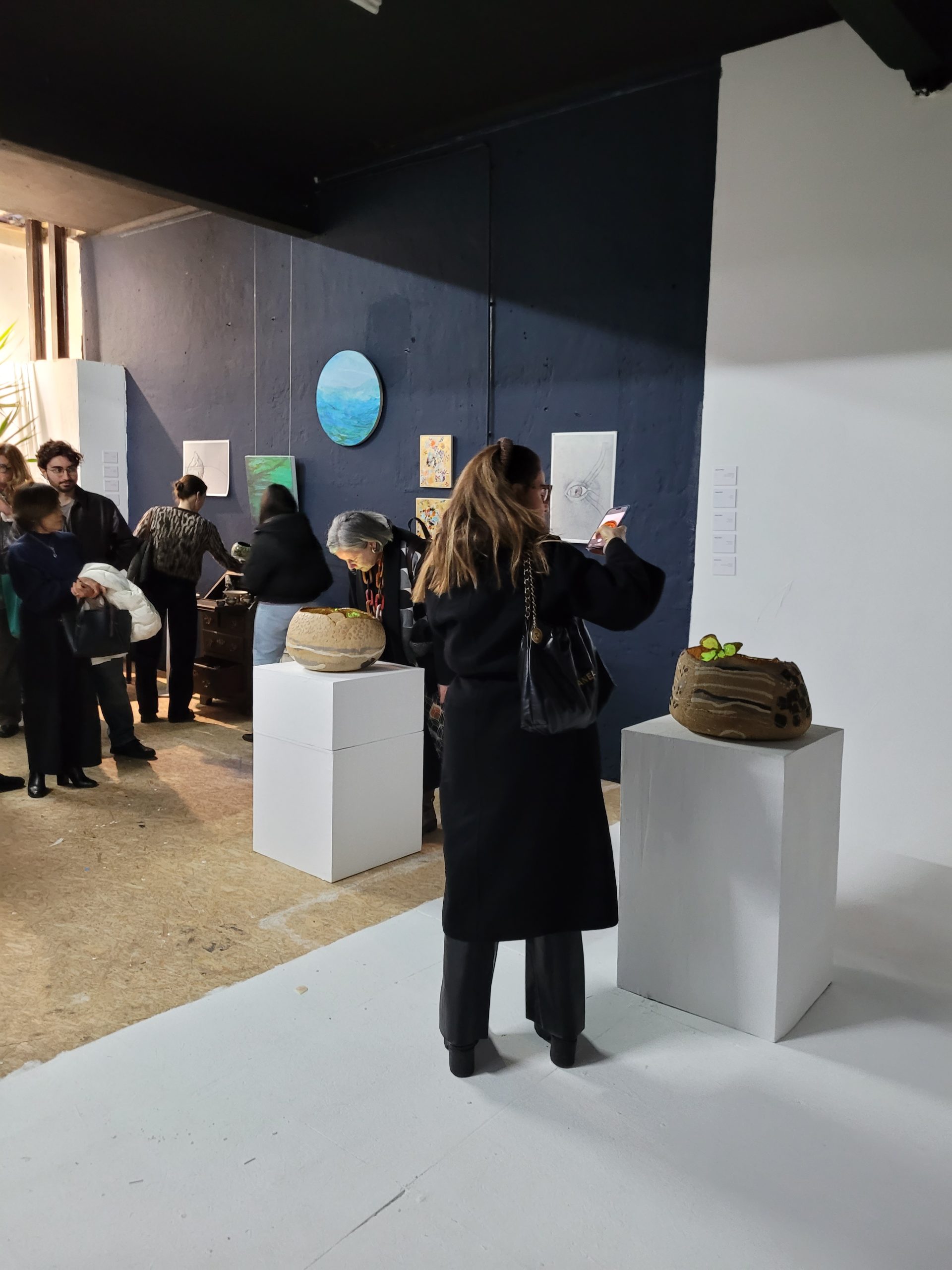
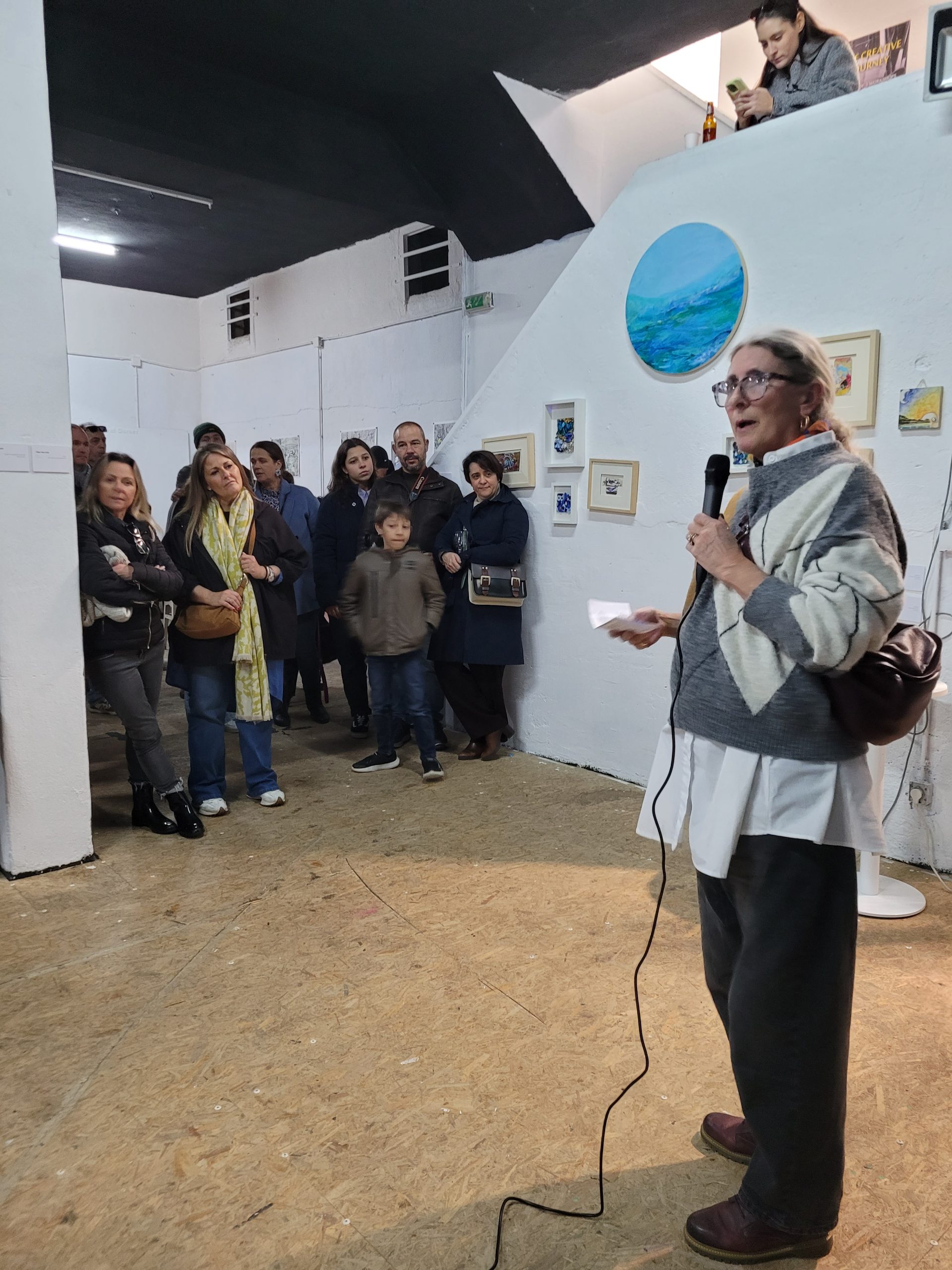
This exhibition focusses and explores this aqueous state where we as makers meet through its confluence, it takes as its interest water as the substance that connects and binds us to work, to each other and to the place we live in, the responses consider water as both a physical and emotional state.